
There is a distinct charm hidden within the walls of a historic home. From hand-carved crown molding and original hardwood floors to wavy glass windows that distort afternoon light, vintage properties possess a unique character that modern construction rarely replicates. However, owning and restoring one of these architectural treasures involves far more than merely enjoying its nostalgic charm. It requires a profound commitment to preservation, a deep respect for original craftsmanship, and a realistic understanding of modern structural requirements.
Homeowners who take on the challenge of restoring an older property often find themselves balancing a fine line between maintaining historical integrity and introducing the conveniences of modern living. The true secret to a successful historic restoration lies in implementing updates carefully, ensuring that the home becomes safe, functional, and efficient without sacrificing the original character that makes it unique. This balance requires a thoughtful approach, patience, and a reliance on professionals who understand the nuances of period architecture.
Stewarding a historic building means accepting that you are a temporary guardian of a physical legacy, tasked with preparing the structure to survive and thrive for generations to come. This responsibility can feel daunting at first, but approaching the process systematically transforms a complex renovation into an incredibly rewarding journey of discovery. These deliberate layout and structural decisions effectively lay the critical groundwork for every physical alteration that follows later.
Setting a Stable Foundation for the Future
Before diving into cosmetic updates or paint colors, a historic restoration project must address the fundamental core of the structure. Over decades, or even centuries, the soil beneath an old house inevitably shifts, expands, and contracts. This natural movement often results in sagging floors, stuck doors, cracked plaster walls, and a compromised framework.
Many older homes were built using pier-and-beam foundations that, while remarkably resilient, require periodic calibration to remain stable. When a vintage house shows signs of structural settling, ignoring the root cause will only ruin future interior upgrades. Enlisting a professional house leveling service is often the single most critical step in saving an old home from progressive structural decay. Experts can carefully elevate and stabilize the framework, using specialized equipment to minimize the risk of cracking delicate historic elements inside. Hydraulic jacks, heavy-duty steel beams, and continuous monitoring allow technicians to lift sagging areas by fractions of an inch at a time, protecting brittle plaster and old timber framing from sudden shifts.
This heavy, hidden work provides the necessary stability for every subsequent phase of the renovation. A level foundation ensures that new plumbing lines drain correctly, windows open smoothly, and structural loads distribute evenly across the old timbers. Without a stable base, even the most beautiful interior restorations will quickly deteriorate as the building continues to shift and warp out of alignment. A preliminary inspection can reveal hidden shifting before it causes major structural separation.
Securing the Structural Shield Overhead
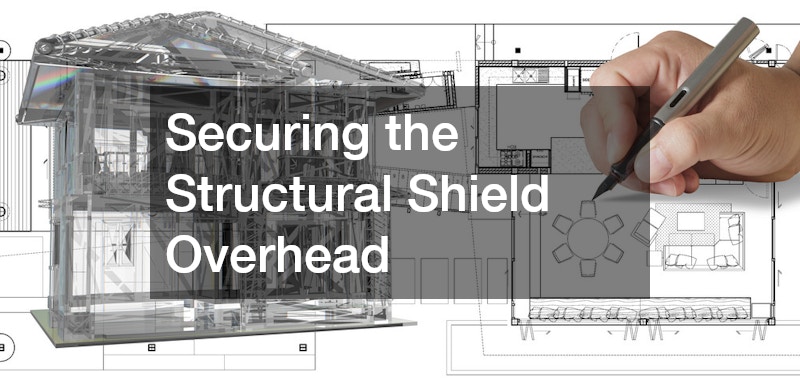
Once the ground beneath the house is secure, the next line of defense is protecting the structure from water intrusion. A leaking roof is the ultimate catalyst for destruction in a vintage property, leading to rotted rafters, ruined plaster ceilings, and hidden mold outbreaks. Historic roofs often feature specialized materials like slate, clay tile, or cedar shakes, each requiring a deep understanding of historical installation techniques. When these older systems begin to fail, a standard quick-fix approach can destroy the architectural context of the house.
Finding a specialized contractor to execute a precise roof repair is vital to keeping the weather outside while honoring the visual legacy of the roofline. Preserving the original profile, flashing details, and drainage systems ensures that water moves away from the building without eroding the antique facade. Protecting the attic space from moisture also safeguards the delicate framing members that have held the building together for generations. Using high-quality copper flashings and matching salvaged tiles where possible can extend the lifespan of the system while maintaining absolute historical accuracy. Regular inspections and immediate interventions prevent these minor vulnerabilities from scaling into catastrophic losses, making roof preservation an ongoing priority for any dedicated historic homeowner. This proactive maintenance strategy keeps the overhead shield perfectly intact for decades.
Conceptualizing the Layout with Historical Respect
With the structural envelope stabilized and protected, the focus can shift toward optimizing the interior spaces for contemporary living. Older homes typically feature compartmentalized layouts, which reflect a bygone era when rooms were closed off to conserve heat or isolate cooking odors. Today, families generally prefer open, flowing spaces that foster connection and let natural light penetrate deep into the floor plan. Altering these historical floor plans requires extreme caution, as removing the wrong wall can compromise load-bearing structures or ruin the architectural proportions of the interior.
Collaborating with a professional home design service helps bridge the gap between historic layout limitations and modern spatial needs. Designers who specialize in vintage properties know how to reconfigure spaces without stripping away the essential character-defining features of the home. They can suggest clever ways to create sightlines, improve traffic flow, and introduce functional storage while keeping original trim, doors, and built-in features intact.
This careful planning ensures that the home feels updated and comfortable without feeling like a generic modern build stuffed inside an old shell. By respecting the original rhythm of the architecture, homeowners can create a space that feels both deeply grounded in history and completely effortless to inhabit. They balance ergonomics with historical accuracy throughout the process.
Navigating the Realities of Structural Upgrades

Executing the actual physical alterations inside a historic home requires a level of patience that standard construction projects rarely demand. Behind the vintage lath and plaster walls lies a complex web of outdated systems, ranging from knob-and-tube electrical wiring to corroded cast-iron plumbing pipes. Upgrading these systems to meet modern safety codes is an absolute necessity, but doing so without destroying historic woodwork requires a surgical touch.
A comprehensive home remodeling project in a vintage house involves carefully threading new infrastructure through old spaces. Workers must navigate tight framing bays, preserve original plaster wherever possible, and ensure that new mechanical systems do not require lowering beautiful historic ceilings. This phase of the project requires a team that views historical elements as assets to protect rather than obstacles to demolish.
Every wire pulled, pipe run, and duct installed must be planned with conservation in mind. When structural changes are made with care, the updated systems remain completely invisible, leaving the historic charm fully intact while providing the safety, efficiency, and reliability of a modern home. Planning these channels prevents unexpected delays during installation.
Modernizing the Historic Culinary Space
Nowhere is the tension between old-world charm and modern functionality more apparent than in the culinary space. In the past, kitchens were strictly utilitarian work zones, often tucked away at the back of the house and hidden from guests. Modern homeowners, conversely, view the cooking area as the social hub of the home, requiring high-end appliances, ample counter space, and a welcoming atmosphere. Transforming an antique utility room into a luxury culinary center requires the expertise of a specialized kitchen remodeler who respects historic aesthetics.
This professional can integrate contemporary appliances seamlessly, perhaps using custom cabinetry panels to conceal refrigerators and dishwashers so they do not clash with vintage surroundings. Salvaged wood, soapstone counters, and period-accurate lighting can be selected to ensure that the new interventions feel like a natural evolution of the home rather than an aggressive interruption. Preserving original windows, chimneys, or pantry doors within the new layout adds layers of authentic character that money simply cannot buy.
By focusing on material continuity and classic design principles, the heart of the home can be brought into the modern era while still paying homage to the culinary traditions of the past. This ensures the final workspace functions perfectly for daily meal preparation.
Safeguarding Classic Heating Features

Another central feature of almost every historic home is the hearth, which historically served as the primary source of warmth and a gathering place for the household. Over decades of use, however, the masonry inside chimneys can degrade, mortar joints can crumble, and dangerous creosote can accumulate, creating significant fire hazards.
Simply lighting a fire in an uninspected vintage hearth is an immense risk that no homeowner should ever take. Prioritizing thorough fireplace maintenance is essential to ensure that these beautiful focal points can be operated safely or preserved as ornamental centerpieces. Certified professionals can inspect the structural integrity of the chimney flue, install modern stainless-steel liners to contain heat and gases, and repair damaged firebricks.
If the original fireplace is no longer viable for wood-burning fires, it can often be adapted for clean-burning gas inserts or kept as a beautiful architectural feature framed by its original mantelpiece. Ensuring the safety of the hearth protects the entire investment from accidental fire damage while maintaining the cozy, historic ambiance that defines old-world living spaces. A restored chimney provides peace of mind during the coldest months.
Refreshing Exterior Surfaces Safely
Turning attention to the exterior of a historic home reveals the intricate details that give vintage architecture its unmistakable curb appeal. Decades of exposure to wind, rain, and pollution leave a thick layer of grime, algae, and peeling paint on historic siding and masonry. Cleaning these delicate surfaces requires an incredibly gentle touch, as harsh methods can permanently gouge old-growth wood or shatter soft historic bricks. Utilizing low-pressure pressure washing techniques is the safest way to remove accumulated dirt and prepare the exterior surfaces for restoration without causing irreversible damage.
Once the exterior shell is clean and dry, repairing damaged siding and applying a protective coating becomes the priority. Hiring a specialized painting service ensures that the correct primers and historically accurate paint formulas are applied to protect the vintage materials. Older wood siding needs to breathe, requiring specific paint products that prevent moisture from becoming trapped beneath the surface and causing premature rot. Choosing a historically appropriate color palette can completely revitalize the architectural lines of the house, highlighting intricate corbels, deep porches, and unique window trims that make the home stand out in the neighborhood. This ensures the new coating bonds perfectly to the historical substrate.
Extending Historic Charm into the Great Outdoors

As the interior and exterior of the house regain their historical splendor, the surrounding property must be developed to match the home’s timeless aesthetic. Creating a seamless transition from the historic structure to the outdoor living spaces requires careful hardscaping and design choices. Working with professional deck builders allows homeowners to add functional outdoor entertaining areas that complement, rather than overshadow, the main building. These outdoor structures should utilize traditional proportions, classic railing profiles, and appropriate architectural details that echo the home’s original porch design.
To anchor these new structures into the landscape, selecting the right landscaping products is essential for establishing an authentic, period-accurate environment. Incorporating natural stone pathways, brick pavers, and heirloom plantings creates a garden setting that feels as though it has evolved naturally over the past century. Avoiding overly corporate, hyper-modern landscaping materials ensures that the yard feels cohesive with the vintage architecture. Thoughtfully designed gardens, patios, and walkways provide the perfect frame for a restored historic home, extending its living space outward while respecting the historical context of the entire property.
Preserving a Piece of Living History
Restoring a historic home is undoubtedly a labor of love, demanding significant time, financial investment, and unwavering patience. It is an intricate process that goes far beyond a typical renovation, requiring homeowners to act as preservationists, historians, and designers all at once. However, the rewards of completing a sensitive, safe modernization are entirely unparalleled. Caretakers of a restored vintage property experience a living piece of history every single day. They enjoy the physical comfort of modern utilities while surrounded by the unmatched beauty of old-world craftsmanship.
By taking the time to address structural stabilization, updating core utilities hidden behind the walls, and choosing materials that honor the past, homeowners ensure that these unique properties remain viable for centuries to come. The successfully modernized historic home stands as a clear example of how modern innovation works hand in hand with architectural preservation, saving a piece of community identity for future generations to cherish. This preservation ensures that history remains alive.