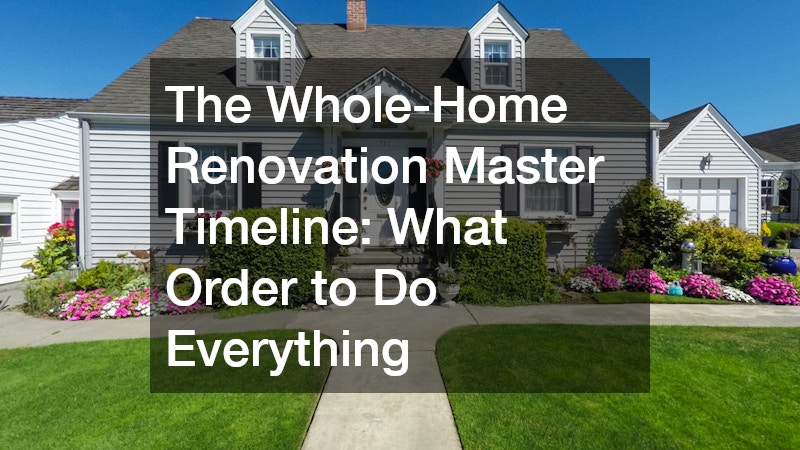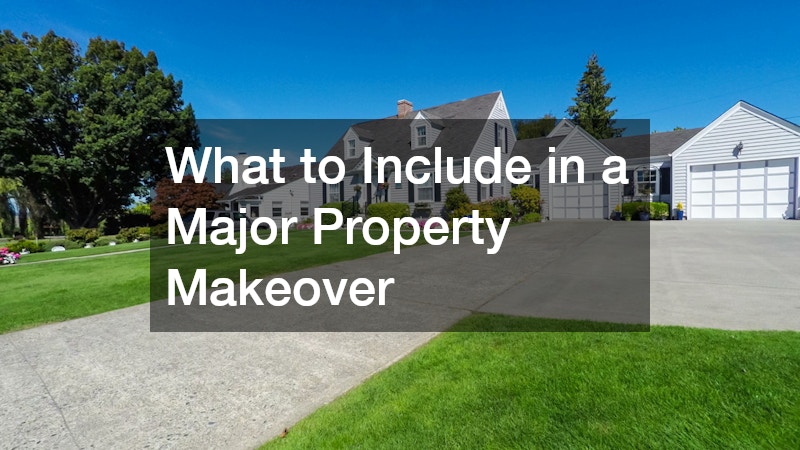

A major property makeover is one of the most rewarding investments a homeowner can make. Whether your goal is to improve functionality, boost curb appeal, increase property value, or create a more enjoyable living environment, a comprehensive renovation plan can transform nearly every aspect of your home.
However, successful property improvements involve much more than selecting paint colors or updating landscaping. The best results come from evaluating the entire property, addressing underlying issues, and creating a strategic plan that balances aesthetics with long-term durability.
By taking a whole-property approach, homeowners can avoid costly mistakes, prioritize the right projects, and create a finished result that looks cohesive and functions efficiently for years to come. Before starting your next renovation project, consider the following essential elements that should be included in any major property makeover.
Start With a Comprehensive Property Assessment
Before spending money on upgrades, it is important to understand the current condition of the property. A detailed assessment provides a roadmap for improvements and helps identify problems that could affect future renovations.
Identify Structural Issues Before Planning Cosmetic Upgrades
Many homeowners are eager to focus on visible improvements, but structural concerns should always come first. Cosmetic updates can quickly become wasted investments if hidden issues remain unresolved.
Areas to inspect include:
- Foundation cracks
- Drainage problems
- Water intrusion
- Damaged siding
- Uneven flooring
- Aging windows and doors
- Structural framing concerns
Hiring qualified inspectors can help uncover issues that may not be immediately visible. Addressing these concerns early prevents future damage and protects renovation investments.
A thorough inspection also helps homeowners understand how different components of the property work together. For example, a drainage problem may seem minor on the surface but could eventually contribute to foundation settlement, basement moisture, or landscape erosion. Similarly, damaged siding may allow water to penetrate behind exterior walls, leading to rot, mold growth, and costly repairs over time.
It is also important to pay attention to warning signs that often indicate larger structural issues. Cracks above doorways, sticking windows, sloping floors, and recurring water stains should never be ignored. While these problems may appear cosmetic, they can signal movement within the structure or ongoing moisture intrusion.
Homeowners planning significant renovations should consider obtaining assessments from multiple professionals when necessary. Structural engineers, foundation specialists, and home inspectors can provide valuable insights into the property’s condition and help prioritize repairs. Taking the time to address these concerns before beginning aesthetic upgrades creates a stronger foundation for the entire project.
By resolving structural deficiencies first, homeowners can move forward with confidence knowing their renovation budget is being invested in improvements that will last. This proactive approach often reduces long-term maintenance costs while helping preserve the safety, stability, and value of the property.
Create a Realistic Budget and Project Timeline
A major makeover often involves multiple contractors and phases of work. Establishing a realistic budget allows homeowners to prioritize improvements while maintaining financial flexibility.
Consider allocating funds for:
- Materials
- Labor
- Permits
- Design services
- Unexpected repairs
- Contingency expenses
Creating a detailed timeline also helps coordinate projects and reduce delays. When renovations are completed in the proper order, homeowners can avoid duplicate labor and unnecessary expenses.
One of the biggest mistakes homeowners make during large renovation projects is underestimating costs or failing to account for unforeseen issues. Even with careful planning, unexpected challenges can arise once work begins. Hidden water damage, outdated wiring, code violations, or structural concerns can add costs that were not initially anticipated. Setting aside a contingency fund—typically 10% to 20% of the total project budget—can help absorb these surprises without derailing the entire renovation.
It is also helpful to separate projects into essential upgrades and optional enhancements. Structural repairs, safety improvements, and critical system upgrades should generally take priority over cosmetic features. This approach allows homeowners to stay within budget while ensuring the most important work is completed first.
When building a project timeline, consider factors such as contractor availability, permit approval timelines, material lead times, and seasonal weather conditions. Delays in one phase can affect multiple projects down the line, making scheduling an important part of overall project management.
A well-organized renovation timeline may include:
- Initial inspections and assessments
- Design and planning stages
- Permit applications and approvals
- Structural repairs
- Mechanical and utility upgrades
- Exterior improvements
- Interior finishing work
- Final inspections and walkthroughs
Regular communication with contractors throughout the project can help identify potential scheduling conflicts before they become major problems. By creating a realistic budget and timeline from the beginning, homeowners can reduce stress, maintain better co
Address Roofing and Exterior Protection First

Inspect the Roof for Damage and Long-Term Performance
The roof serves as the first line of defense against weather, moisture, and environmental wear. Before investing in other exterior improvements, homeowners should evaluate the condition of their roofing system.
Professional roofers can assess areas such as:
- Missing shingles
- Water damage
- Flashing failures
- Ventilation problems
- Structural deterioration
- Storm-related damage
Even minor roofing issues can eventually lead to significant interior repairs. Addressing these concerns early protects the entire property and supports the longevity of future renovations.
Some signs that roof replacement or repair may be needed include:
- Water stains on ceilings
- Sagging rooflines
- Frequent leaks
- Excessive granule loss
- Visible deterioration
Refresh Exterior Surfaces for Better Curb Appeal
Once structural protection has been addressed, homeowners can focus on improving visual appeal.
Exterior painting remains one of the most effective ways to transform a property’s appearance while providing additional protection against weather and UV exposure.
Benefits of updating exterior surfaces include:
- Improved curb appeal
- Increased home value
- Enhanced weather resistance
- Longer siding lifespan
- Better first impressions
When selecting colors, homeowners should consider architectural style, neighborhood aesthetics, and long-term maintenance requirements. High-quality preparation and professional application often deliver the most durable results.
Eliminate Hidden Problems Before Expanding Living Spaces
Look for Moisture Issues Behind Walls and Under Flooring
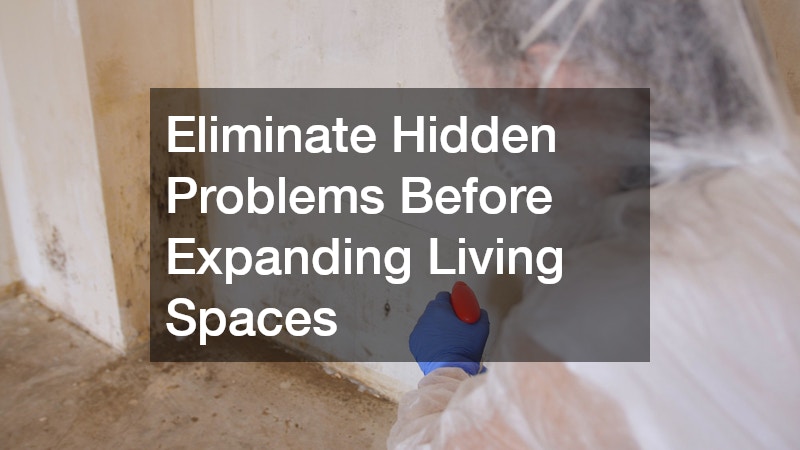
Water damage and hidden moisture can compromise both safety and structural integrity. Before beginning major renovations, homeowners should thoroughly inspect areas where moisture problems commonly develop.
High-risk areas include:
- Basements
- Crawl spaces
- Attics
- Bathrooms
- Laundry rooms
- Utility areas
Ignoring moisture issues can lead to mold growth, wood rot, and poor indoor air quality. Professional mold remediation helps eliminate contamination while preventing future problems.
Proper remediation may involve:
- Moisture source identification
- Damaged material removal
- Air quality treatment
- Structural drying
- Preventive solutions
Addressing these issues before renovation work begins creates a healthier environment and protects future investments.
Upgrade Electrical Systems to Meet Modern Needs
Many older homes were not designed to accommodate today’s electrical demands. Renovations often provide the perfect opportunity to modernize electrical infrastructure.
An experienced electrical contractor can evaluate:
- Electrical panels
- Wiring systems
- Grounding components
- Outlet placement
- Lighting capacity
- Safety compliance
Modern electrical upgrades support:
- Home offices
- Smart home technology
- Electric vehicle charging
- Kitchen appliances
- Entertainment systems
Investing in electrical improvements early in the renovation process prevents costly modifications later and ensures compliance with current building codes.
Improve Outdoor Living Areas for Everyday Enjoyment
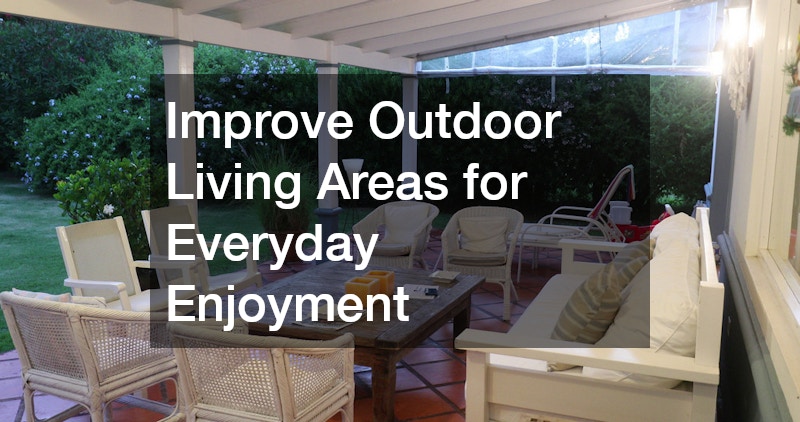
Design Functional Spaces for Relaxation and Entertainment
Outdoor living has become a major priority for homeowners seeking to maximize usable space. Thoughtfully designed exterior environments can significantly enhance both lifestyle and property value.
An outdoor living contractor can help homeowners create customized spaces tailored to their specific needs.
Popular features include:
- Outdoor kitchens
- Covered patios
- Pergolas
- Fire pits
- Seating areas
- Entertainment zones
- Landscape lighting
When designing outdoor spaces, homeowners should consider:
- Traffic flow
- Shade availability
- Privacy needs
- Seasonal use
- Maintenance requirements
The most successful outdoor environments blend functionality with comfort while complementing the overall property design.
Expand Usable Square Footage With Elevated Gathering Areas
Well-designed gathering spaces create opportunities for entertaining, relaxing, and spending time with family outdoors.
Professional deck builders can create custom structures that enhance both appearance and usability.
Some popular deck options include:
- Multi-level layouts
- Composite decking
- Built-in seating
- Outdoor dining areas
- Integrated lighting
- Covered sections
Material selection plays a major role in long-term performance. Homeowners should evaluate factors such as:
- Maintenance requirements
- Durability
- Climate conditions
- Budget
- Appearance
A properly designed deck can serve as a natural extension of the home’s interior living space while improving overall property value.
Enhance Privacy, Security, and Property Boundaries
Select Fencing That Complements Your Home’s Design
Fencing serves multiple purposes, including security, privacy, aesthetics, and property definition. Choosing the right style requires balancing functionality with visual appeal.
A professional fence contractor can help homeowners evaluate options such as:
- Wood fencing
- Vinyl fencing
- Aluminum fencing
- Wrought iron fencing
- Composite fencing
- Privacy fencing
Important factors to consider include:
- Local regulations
- Maintenance requirements
- Security needs
- Property layout
- Architectural style
The right fencing solution can significantly enhance both curb appeal and functionality.
Use Strategic Placement to Improve Safety and Privacy
Fence placement affects more than appearance. Strategic installation can improve usability throughout the property.
Benefits may include:
- Enhanced backyard privacy
- Child safety
- Pet containment
- Pool protection
- Noise reduction
- Improved security
Careful planning ensures that fencing contributes positively to the property’s overall design while meeting practical needs.
Upgrade Recreational Features and Outdoor Surfaces
Modernize Aging Backyard Features for Better Functionality
Swimming pools often become focal points of outdoor living spaces. However, aging pools can develop safety concerns, inefficiencies, and outdated appearances.
Working with a pool remodeling company allows homeowners to update these features while improving functionality and aesthetics.
Popular pool upgrades include:
- New finishes
- Water features
- Energy-efficient equipment
- LED lighting
- Modern tile designs
- Automation systems
- Safety enhancements
A renovated pool can dramatically improve backyard appeal while reducing maintenance requirements and operating costs.
Protect Driveways and Pavement From Long-Term Damage
Driveways and paved surfaces frequently receive less attention than other property features, yet they contribute significantly to curb appeal and functionality.
Regular asphalt sealing helps protect pavement from:
- UV exposure
- Moisture penetration
- Freeze-thaw cycles
- Chemical spills
- Surface cracking
Benefits of pavement maintenance include:
- Extended lifespan
- Improved appearance
- Reduced repair costs
- Better surface performance
Routine sealing and maintenance help preserve investments and maintain a polished appearance throughout the property.
Plan Additions and Structural Expansions Carefully
Determine Whether Additional Space Makes Sense
For some homeowners, a makeover may include expanding the home’s footprint. Additional living space can improve comfort and functionality while increasing long-term property value.
Before moving forward, homeowners should evaluate:
- Family needs
- Budget constraints
- Lot limitations
- Zoning requirements
- Future plans
Potential expansion projects include:
- Room additions
- Garage conversions
- In-law suites
- Home offices
- Second-story additions
- Sunrooms
Careful planning ensures that additions provide meaningful value rather than unnecessary expense.
Coordinate New Construction With Existing Architecture
When adding new space, maintaining architectural consistency is essential.
An experienced home builder can help ensure that additions blend seamlessly with existing structures.
Key considerations include:
- Rooflines
- Exterior materials
- Window styles
- Interior flow
- Structural integration
Homeowners should also prepare for:
- Permitting requirements
- Inspection schedules
- Utility upgrades
- Construction timelines
Well-executed additions feel like a natural extension of the original home rather than an afterthought.
Coordinate Contractors and Projects for Maximum Efficiency
Schedule Improvements in the Correct Order
One of the most common renovation mistakes involves completing projects in the wrong sequence. Proper scheduling prevents unnecessary rework and protects completed improvements.
A logical renovation order often includes:
- Structural repairs
- Roofing improvements
- Moisture remediation
- Electrical upgrades
- Exterior improvements
- Outdoor living projects
- Finishing details
Following a strategic sequence improves efficiency while minimizing disruptions.
Maintain Consistent Design Throughout the Property
A successful makeover should feel cohesive from the front curb to the backyard.
Homeowners can create consistency by:
- Selecting complementary materials
- Coordinating color palettes
- Repeating architectural details
- Using consistent landscaping themes
- Balancing modern and traditional elements
Design cohesion helps every improvement work together to create a polished and intentional final result.
Additional ways to maintain consistency include:
- Matching exterior finishes
- Coordinating hardscape materials
- Using similar lighting styles
- Choosing complementary textures
- Maintaining proportional design elements
When every project contributes to a unified vision, the property feels more valuable, attractive, and functional.
A major property makeover requires much more than surface-level updates. The most successful projects begin with a thorough assessment, address structural and safety concerns first, and incorporate improvements that enhance both function and appearance.
From protecting the home’s exterior and updating essential systems to creating inviting outdoor spaces and planning thoughtful expansions, every component plays a role in the overall success of the renovation. By prioritizing projects strategically and working with qualified professionals, homeowners can maximize their investment and create a property that serves their needs for many years to come.
With careful planning, attention to detail, and a long-term vision, a major property makeover can transform an ordinary home into a more beautiful, comfortable, and valuable place to live.