
Tarping a roof is one of the most effective temporary solutions for protecting your home after it has suffered damage. While it isn’t a long-term fix, it prevents water intrusion, reduces the risk of structural damage, and buys time until professional repairs can be completed. Many homeowners wonder when tarping is truly necessary and whether they should handle it themselves or call a professional. In most cases, the answer depends on the extent of the damage, weather conditions, and safety concerns. Partnering with an experienced local roof repair service ensures your roof is secured properly and safely during emergencies.
Below is a detailed guide explaining when it becomes necessary to tarp a roof and why acting quickly is so important.
After Storm Damage or Severe Weather Events
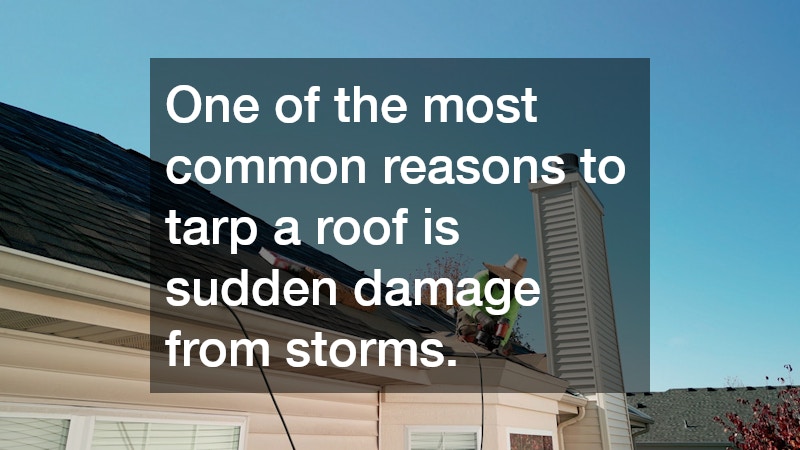
One of the most common reasons to tarp a roof is sudden damage from storms. High winds, heavy rain, hail, and falling branches can create holes, loosen shingles, or tear away sections of roofing.
These openings allow water to flood into your home, damaging ceilings, walls, insulation, and even electrical wiring.
If a storm leaves behind:
-
Exposed roof decking
-
Missing shingles
-
Large punctures
-
Torn or lifted flashing
-
Gaps around chimneys, vents, or skylights
you should tarp the roof immediately to prevent further water intrusion. A professional local roof repair service can secure a durable tarp properly so it withstands additional rain or wind until permanent repairs can be completed.
When Active Leaks Are Occurring
Any time you notice water dripping from your ceiling, pooling on floors, or staining interior walls, the source needs to be covered as soon as possible. Leaks worsen rapidly, especially during ongoing rainfall. Even small leaks can cause major damage if left unaddressed.
Tarping helps contain the leak and prevents water from spreading into other areas of your home. A properly installed tarp provides a waterproof barrier until the exact cause of the leak can be inspected and corrected. A reliable local roof repair service will assess the leak source and place the tarp in the correct location—something homeowners often struggle with due to the unpredictable way water travels.
When Roof Repairs Cannot Be Completed Immediately
There are times when your roof may suffer damage, but professional repairs cannot begin right away. This may happen if:
-
Weather conditions prevent safe repair
-
Contractors are booked with emergency calls
-
Materials need to be ordered
-
Insurance adjusters must inspect the damage first
-
It is unsafe to perform repairs at night or in high winds
During this waiting period, a tarp acts as an essential protective barrier. A certified local roof repair service can install the tarp quickly and safely, ensuring your home stays dry until repairs begin.
When Your Home Is at Risk of Structural Damage
Roof damage isn’t just a cosmetic issue. If water enters the decking, rafters, or insulation, it can weaken the structure of your home. Over time, this may lead to:
-
Mold and mildew growth
-
Warped wood or compromised framing
-
Damaged drywall
-
Electrical hazards
-
Increased repair costs
If you notice sagging ceilings, soft spots in the attic, or dark marks spreading across walls, tarping becomes necessary to stop moisture from entering. Professional tarping provided by a local roof repair service helps stabilize the situation and protects the home’s framework and interior systems.
When Roof Damage Creates a Safety Hazard
Certain types of roof damage pose immediate safety risks, requiring quick action. For example:
-
Large exposed sections can blow off during high winds
-
Loose shingles or debris can fall
-
Structural weakness increases risk of collapse
-
Open areas allow pests or animals to enter
If damage compromises safety, covering the affected area helps minimize hazards until a permanent fix can be completed. Professional roofers have the safety equipment needed to tarp roofs securely, preventing accidents that could occur if homeowners attempt it themselves.
When Filing a Homeowners Insurance Claim
Most insurance companies require homeowners to take reasonable steps to prevent further damage after a roof incident. Failing to protect the roof promptly could result in reduced coverage or even denial of the claim.
Tarping demonstrates that you acted responsibly to mitigate damages. Many insurers even recommend contacting a professional local roof repair service for documentation and emergency tarping. Roofers often photograph the damage before tarping to support your insurance claim.
When Roof Damage Occurs During Winter
Winter weather creates unique challenges for roof protection. Snow, ice dams, and freezing rain make roofs more vulnerable to moisture intrusion. If shingles crack or flashing loosens in cold conditions, leaks may occur rapidly due to melting snow.
Tarping helps keep snowmelt from entering the home, especially when repairs cannot be performed in freezing temperatures. A qualified local roof repair service can install winter-rated tarps designed to withstand snow load and ice buildup.
When You Are Unsure of the Damage Severity
Sometimes homeowners notice signs of potential roof damage but cannot determine how serious the problem is. Water stains, missing shingles, or strange noises during storms may indicate a developing issue.
If more rain is on the way and you cannot get an inspection immediately, tarping becomes a wise precaution. A temporary covering reduces risk until professionals evaluate the roof. A dependable local roof repair service will inspect the area, advise whether tarping is necessary, and install it properly if needed.
Tarping a roof is often essential when storms, leaks, or accidents leave your home vulnerable. Acting quickly helps prevent costly interior damage, mold growth, and structural deterioration. While some homeowners may consider DIY tarping, it can be dangerous and ineffective if not done correctly. Partnering with a trusted local roof repair service ensures the tarp is secure, weatherproof, and strategically placed to protect your home until permanent repairs are completed. When in doubt, it’s always safer to call a professional and safeguard your home the right way.