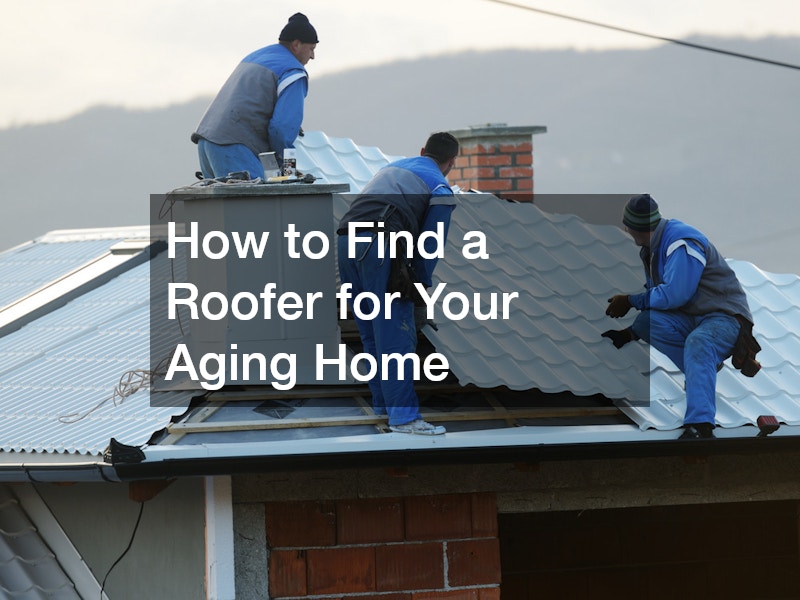

An older home comes with character, history, and usually a roof that has seen better days. Finding the right roofer to work on an aging property is different from hiring someone to replace the roof on a newer house. Older homes often have complications that a roofer needs to understand and handle properly, from structural quirks to outdated materials that require special knowledge. Knowing what to look for and what questions to ask makes the process much smoother.
Why Experience With Older Homes Matters
A roofer who specializes in new construction might not have the experience to handle the challenges that come with an aging house. Older roofs were often built with materials and techniques that have fallen out of use, and removing them requires different skills than working with modern shingles and underlayment. Some older homes have wood shakes, slate, or clay tiles that need careful handling by someone who knows how to work with them.
The structure underneath an old roof can also be different. Older homes sometimes have rafters or trusses that are not spaced the way new code requires, or decking that is thinner than current standards expect. A good roofer working on an aging home knows how to navigate these differences without trying to force new solutions onto outdated structure. This is why asking about experience specifically with older properties, rather than just years in the business, matters when you are making calls.
What to Ask Potential Roofers
Start by asking how long a roofer has been in business and how much of that time has been spent working on homes like yours. A roofer who has spent the last ten years mostly on new residential construction might not be the best fit for a 50-year-old house with a complicated roof line. Ask what materials they have worked with, especially if your home has anything unusual.
Insurance and licensing are non-negotiable. A roofer should carry liability insurance and workers’ compensation, and hold any licenses required in your state. Ask to see proof of both. A roofer who balks at showing documentation is a roofer to skip, no matter how good their price sounds. You do not want to end up liable if someone gets hurt on your property, or if work is not done to code.
Get at least three estimates before making a decision. Estimates should include a detailed breakdown of materials, labor, timeline, and what happens if work takes longer than expected or uncovers additional damage. If one estimate is dramatically lower than the others, that is worth investigating. Sometimes it means the roofer found a way to be more efficient, but often it means they are cutting corners on materials or labor that will show up as problems within a few years.
Check References and Reviews
Ask for references from homes similar in age and style to yours. A good roofer should have no problem providing contact information for past customers, and those customers should be willing to talk about their experience. Ask specifically about how the roofer handled unexpected issues, because older homes almost always uncover something during the job that was not visible from the ground.
Online reviews give you a broader picture, but take them with some grain of salt. A roofer with a few negative reviews among many positive ones is probably fine, but one with a pattern of complaints about poor communication, missed timelines, or shoddy work is a signal to move on. Pay attention to what people complain about, not just the number of stars.
Make Sure the Roofer Understands the Full Scope
Walk the property with a potential roofer before they give an estimate. Point out any problem areas you have noticed, and listen to how they talk about the work. Do they seem interested in understanding your specific home, or are they rushing through the walkthrough and offering generic solutions?
Ask what a roofer would do if they discover damage to the decking underneath, or if rafters turn out to be in worse condition than expected. How do they handle change orders? Do they contact you immediately and explain options, or do they just go ahead and add thousands to the bill? A roofer who takes time to explain what they are seeing and gives you choices is someone you can probably trust.
Know When to Get a Second Opinion
If a roofer recommends replacing the entire roof when you thought you just needed repairs, get a second opinion. It is not uncommon for contractors to upsell bigger projects than necessary, and on an aging home, it is easy to justify replacing the whole roof if there are a few problem spots. A roofer who finds problems and explains clearly why replacement is the better option than repair is being honest. One who seems to automatically recommend the most expensive option might just be chasing a bigger paycheck.
The Right Fit Saves Money and Headaches
Finding a roofer with genuine experience on older homes, proper licensing and insurance, good references, and clear communication takes a little more time than just calling the first contractor in the phone book. But that extra effort pays off in fewer surprises during the job, better craftsmanship that accounts for the quirks of an aging house, and work that actually lasts. An older home deserves a roofer who understands it, and taking time to find one is one of the smartest investments you can make.