
A roofing inspection is one of the most important steps in maintaining a safe, durable, and long-lasting roof. Whether you’re scheduling routine maintenance, buying or selling a home, or noticing potential warning signs of damage, a professional inspection provides critical insight into your roof’s condition. Understanding what happens during this process helps you feel more confident and prepared—especially if the inspection reveals issues that require roof repair. A thorough inspection not only protects your home but also helps you plan for necessary improvements before small problems become expensive emergencies.
Below is a detailed look at what you can expect during a roofing inspection and why it’s so essential.
Exterior Roof Evaluation
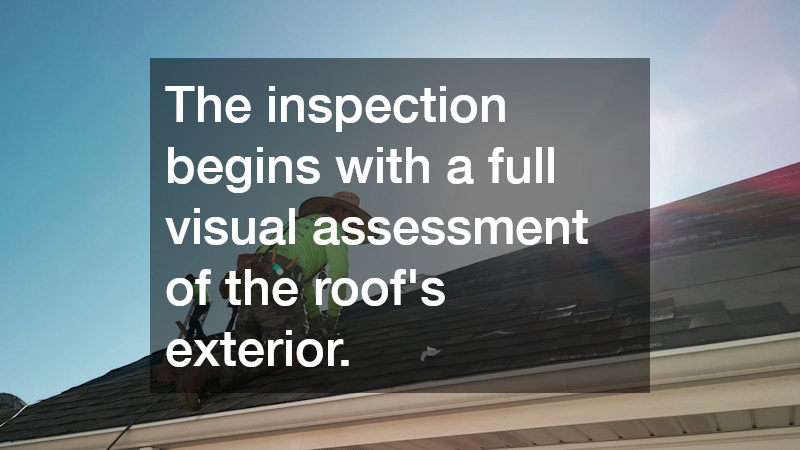
The inspection begins with a full visual assessment of the roof’s exterior. Using ladders, binoculars, or even drones, the roofer evaluates the surface for signs of wear and damage.
They will examine:
-
Shingles for cracking, curling, blistering, or missing pieces
-
Granule loss, which indicates aging shingles
-
Loose or exposed nails
-
Soft spots that may suggest structural issues
-
Damaged flashing around chimneys, vents, and skylights
-
Sagging sections of the roof
-
Storm-related issues, such as wind or hail damage
This exterior evaluation helps the roofer identify visible issues and areas that may require closer inspection.
Gutter and Drainage System Check
Proper drainage is essential to preventing leaks and water damage. During the inspection, the roofer will assess:
-
Gutter alignment and stability
-
Downspout flow
-
Debris accumulation
-
Signs of gutter corrosion or sagging
-
Water pooling around the roofline
Clogged or damaged gutters can cause water to back up beneath shingles, increasing the need for roof repair. Ensuring the drainage system works properly helps extend your roof’s lifespan and reduces the risk of moisture problems.
Flashing and Penetration Inspection
Roof penetrations—such as chimneys, vents, skylights, and pipes—are among the most leak-prone areas. Flashing (thin metal sheets used to direct water away from joints) must be properly installed and in good condition to prevent infiltration.
During the inspection, the roofer will check:
-
Flashing around chimneys for rust or separation
-
Vent boot integrity, ensuring rubber seals are not cracked
-
Skylight seals for gaps or deterioration
-
Valley flashing where roof slopes meet
If flashing is damaged or improperly installed, water can easily find its way inside. These issues often require immediate repairs to prevent leaks.
Attic Examination
A thorough roof inspection always includes the attic, as many roofing problems begin or become visible there first. The attic tells the story of how well your roof has been performing over time.
The roofer will look for:
-
Water stains on rafters or insulation
-
Mold or mildew caused by poor ventilation
-
Moisture damage on wood structures
-
Adequate airflow through vents
-
Light shining through roof boards
Attic problems often indicate deeper roofing issues, such as poor installation, aging materials, or hidden leaks that require roof repair.
Checking for Structural Integrity
Beyond surface damage, roofers assess the overall structural integrity of your roof. This includes evaluating the decking (the wood base beneath shingles) and the roof’s ability to support its weight without sagging.
They check for:
-
Soft or spongy decking areas
-
Warped or weakened wood
-
Sagging ridgelines or slopes
-
Evidence of long-term moisture exposure
Structural issues require immediate attention and can determine whether repairs or a full replacement is necessary.
Inspection of Roof Ventilation
Proper roof ventilation is crucial for regulating temperature, reducing moisture, and preventing premature roof aging. During the inspection, the roofer will evaluate:
-
Ridge vents and soffit vents
-
Attic fans and gable vents
-
Signs of blocked airflow
-
Heat or humidity buildup
Poor ventilation can cause shingle deterioration, mold growth, and ice dams. A roofer may recommend improvements to your ventilation system to ensure optimal performance.
Identifying Hidden Leaks
Not all leaks are obvious. Many start as small, hidden problems beneath the roofing surface. Roofers use specialized tools to detect moisture and identify leak points.
These tools may include:
-
Moisture meters
-
Thermal imaging cameras
-
Infrared scanners
Detecting leaks early prevents widespread water damage and minimizes the cost of roof repair later on.
Evaluation of Roofing Materials
Different roofing materials age and fail in different ways. A roofing professional will evaluate whether your materials are still performing as intended or nearing the end of their lifespan.
They will assess:
-
Shingle brittleness or granule loss
-
Cracked tiles or slate
-
Rust or loose fasteners on metal roofs
-
Condition of membranes on flat roofs
The roofer will also check if materials match manufacturer installation guidelines, as improper installation can void warranties.
Recommendations and Detailed Report
After completing the inspection, the roofer provides a detailed report that outlines:
-
The condition of all roofing components
-
Identified problems or risks
-
Photos of damage
-
Recommended repairs
-
Estimated costs
-
Timeline for necessary fixes
This report gives you clarity and helps you decide your next steps. It also serves as documentation for insurance claims or real estate transactions.
Understanding Repair Versus Replacement
Sometimes the inspection will reveal that a simple repair is all that’s needed. In other cases, widespread damage or aging materials may indicate it’s time for replacement.
A professional roofer will explain:
-
Whether a roof repair can address the issue
-
If patching may only offer a temporary solution
-
When replacement is the safer or more cost-effective option
-
What repair or replacement costs you should expect
This guidance ensures you make the most informed decision for your home.
Why Regular Roof Inspections Matter
Most roofing professionals recommend inspections at least once a year—and always after major storms—to catch issues early. Benefits of regular inspections include:
-
Avoiding costly emergency repairs
-
Extending roof lifespan
-
Maintaining energy efficiency
-
Preserving warranty coverage
-
Protecting home value
Inspections reveal problems long before they become visible, allowing for timely roof repair and peace of mind.
A roofing inspection is a vital part of responsible homeownership. It uncovers hidden damage, evaluates structural and material integrity, and helps you plan for repairs or replacement when necessary. By knowing what to expect during the process, you can approach your inspection with confidence and take quick action when issues arise. Whether your roof needs minor fixes or major improvements, professional assessment ensures your home stays safe, strong, and well-protected for years to come.