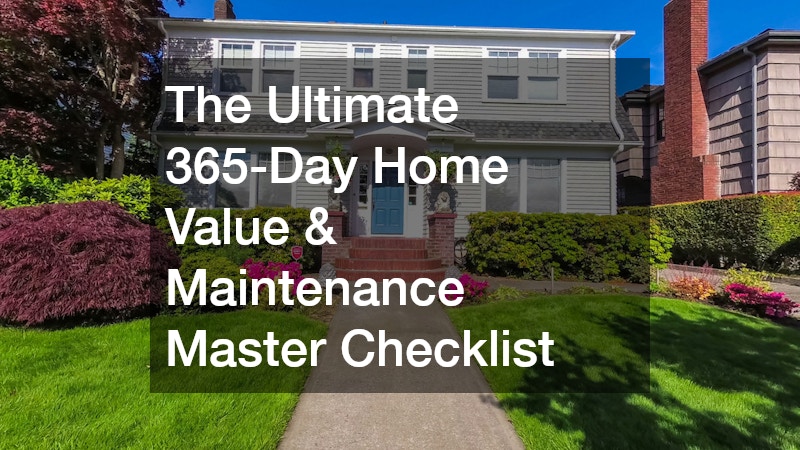

Owning a home is often the single largest financial investment an individual will make in their lifetime. Yet, unlike traditional savings accounts, a residential property requires active, ongoing management to retain and grow its market value over time. A house is a complex network of physical systems, structural components, and aesthetic features that constantly contend with environmental wear, aging materials, and daily usage. When left unmonitored, minor issues can quickly snowball into failures that drain equity and disrupt peace of mind. Proactive homeowners recognize that protecting this investment demands a shift from reactive panic to strategic, calendar-based oversight.
The secret to maintaining high property value lies in predictability. By breaking down home care into a manageable, year-round schedule, property owners can distribute financial costs and manual labor evenly across twelve months. This methodology prevents the overwhelming stress often associated with sudden, expensive property emergencies. A comprehensive, 365-day maintenance blueprint transforms property management from an intimidating chore into a structured routine. It ensures that every square foot of the property, from the deepest underground lines to the highest roof shingles, receives targeted attention at the optimal time of year. This systematic approach preserves immediate comfort while steadily compounding the property’s long-term resale value.
Spring: Awakening the Exterior and Boosting Curb Appeal

As winter frost recedes and temperatures climb, the primary focus of home care shifts to the exterior of the property. The freezing and thawing cycles of winter can cause significant soil shifting, concrete cracking, and structural stress that require immediate inspection. Spring is the ideal season to evaluate how the outer envelope of the house weathered the cold and to implement strategic upgrades that maximize initial visual impressions. Curb appeal is a major driver of overall market value, and early spring is the window to set a positive tone for the rest of the calendar year.
The first step in spring maintenance involves a comprehensive audit of the property’s perimeter beds, turf areas, and drainage pathways. Soil erosion and winter debris can clog grading systems, leading to water accumulation near the base of the structure. Investing time or professional resources into premium landscaping ensures that water naturally flows away from the building while simultaneously elevating the aesthetic charm of the neighborhood. Revitalizing mulch beds, trimming dead wood from perennials, and planting seasonal flora establishes a healthy ecological boundary around the home. This initial ground preparation lays the foundation for all outdoor activities throughout the warmer months.
Once the natural flora is addressed, attention should turn to hardscaped outdoor living zones. Decks, walkways, and seating areas often suffer from shifting soil or surface degradation during wet winter months. Engaging professional patio builders during the early spring allows homeowners to repair existing stonework or construct expansive new outdoor entertainment hubs before the peak summer rush. These experts ensure that structural grading, material selection, and drainage alignment work in harmony with the home’s existing architecture. A well-constructed outdoor hardscape effectively extends the usable square footage of a home, creating high-value zones for relaxation and social gatherings that appeal to prospective future buyers looking for an optimized backyard experience.
Additionally, spring serves as an opportune window to inspect the exterior siding, paint, and window trim for any peeling or moisture damage. Catching these surface vulnerabilities early prevents water from penetrating deep into the wooden elements of the structure. Taking the time to wash exterior windows and clear away remaining salt or grime from winter storm winds ensures that the home’s facade remains vibrant and clean. This thorough seasonal transition prepares the building to look its best as neighbors begin spending more time outside.
Summer: Optimizing Comfort and Defending the Perimeter

With the arrival of summer, the focus transitions from structural adjustments to maximizing daily livability and protecting the home against seasonal environmental threats. High temperatures and intense sunlight place immense strain on cooling systems, roofing materials, and exterior surfaces. Summer maintenance centers around ensuring that the home remains an efficient, comfortable sanctuary while actively mitigating the risks associated with heat, humidity, and seasonal biological activity. It is a time when the home must perform at its peak efficiency to keep operational costs low and comfort levels high.
Outdoor living spaces truly come alive during the warmer months, making comfort a top priority. Property owners frequently invest significant effort into deep-cleaning decks, setting up shade structures, and selecting high-quality outdoor furniture that can withstand intense UV exposure and sudden summer storms. Choosing durable, weather-resistant materials for seating and dining areas turns the backyard into a seamless extension of the interior living room. Properly maintaining these pieces and storing them correctly during severe weather preserves their appearance and longevity, protecting the financial investment made in outdoor aesthetics. A stylish exterior setup encourages outdoor living and enhances the overall lifestyle value of the property for the entire family.
However, warm weather also triggers an increase in biological activity around the property’s perimeter. Insects, rodents, and other wildlife actively seek out entry points, moisture sources, and food supplies within residential structures. Implementing a reliable pest control service during the early summer months is a critical defensive measure. Professional technicians can identify subtle entry gaps, treat nesting zones, and establish protective barriers that keep invasive organisms from damaging woodwork, wiring, or insulation. Consistent preventative treatments shield the interior from infestations, maintain a sanitary living environment, and protect the physical integrity of the building materials from long-term degradation.
Alongside these perimeter defenses, summer requires careful attention to the home’s ventilation and cooling systems. Air conditioning filters should be swapped out monthly during heavy use to keep energy consumption manageable and prevent airflow restrictions. Clearing grass clippings, twigs, and dirt away from the exterior condenser unit ensures the system can shed heat efficiently. This simple maintenance step reduces wear on expensive machinery and keeps the interior climate perfectly regulated through the hottest summer stretches.
Autumn: Deep Infrastructure Checks and Interior Refinements
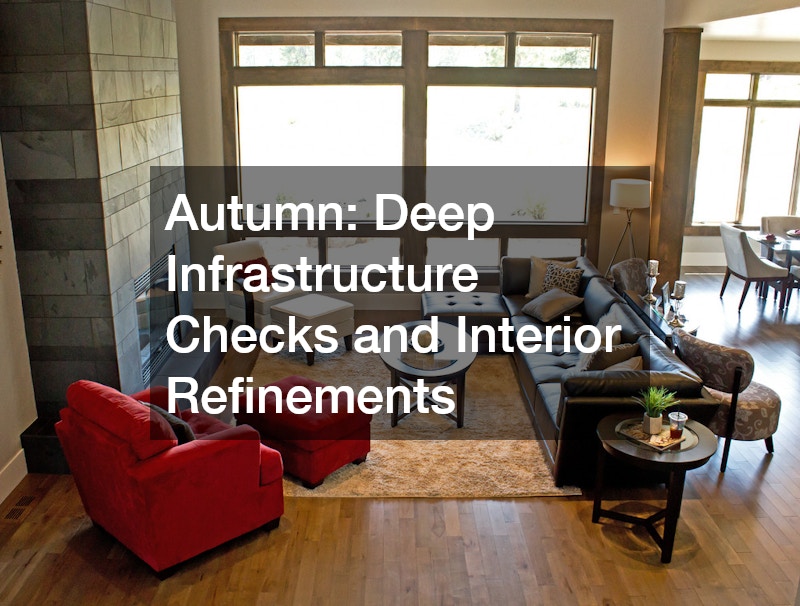
As the leaves begin to turn and the air cools, the autumn maintenance phase serves as a bridge between the heavy activity of summer and the harsh conditions of winter. This season is dedicated to preparing internal systems for prolonged usage and ensuring that the moisture management infrastructure is entirely clear. Ignoring interior plumbing or storage health during the fall can lead to severe complications when freezing temperatures arrive, making proactive internal audits essential. It is the perfect time to secure the perimeter and look inward before the cold weather forces everyone indoors for the season.
The primary autumn priority is ensuring that water can move freely through and away from the home. Falling leaves, twigs, and organic debris frequently find their way into gutters, downspouts, and underground drainage networks. Scheduling a professional drain cleaning before the first major freeze prevents blockages that can cause wastewater backups or ice damming. Clearing out main sewer lines, secondary pipes, and catch basins ensures the plumbing system operates under optimal pressure during the winter months, eliminating the risk of costly interior water damage. A clear drainage network is a fundamental shield against seasonal property depreciation and unexpected plumbing disasters.
While infrastructure remains paramount, autumn is also the perfect period for upgrading interior aesthetics and functional storage solutions. With more time spent indoors, homeowners often notice inefficiencies in kitchen layouts, bathroom storage, or mudroom organization. Installing a custom cabinet system during this season can dramatically improve spatial utilization and daily organization. Tailored cabinetry not only eliminates clutter but also serves as a premium feature that modern home buyers look for, directly increasing the interior value and functional appeal of the property. These targeted carpentry upgrades make the interior spaces look cohesive, highly polished, and entirely organized.
Beyond plumbing systems, autumn is an excellent time to inspect the heating infrastructure and prepare fireplaces for safe operation. Scheduling an annual furnace checkup guarantees that the system runs reliably when temperatures plummet, avoiding emergency service calls on freezing nights. Homeowners should also verify that weather stripping around doors and windows remains intact to minimize drafts and lower heating costs. This careful internal review creates a comfortable, energy-efficient interior environment all winter long.
Winter: Structural Mastery and Interior Upgrades

Winter demands a shift toward internal protection and long-term planning. While the exterior environment rests under snow or freezing rain, the interior of the home becomes the primary focus of both maintenance and major improvement planning. This season provides a unique opportunity to look closely at the hidden bones of the house and execute substantial interior enhancements that might be too disruptive during busier times of the year. It is a period of quiet reflection and strategic investment in the home’s core structure and functional interior design.
The absolute priority during the winter months is monitoring the structural health of the building’s lowest levels. Cold temperatures cause soil contraction, and heavy winter precipitation can alter hydrostatic pressure around subterranean walls. Homeowners must regularly inspect basements and crawlspaces for signs of moisture, bowing walls, or new interior drywall cracks. Addressing these warning signs early through professional foundation repair prevents minor shifts from compromising the alignment of doors, windows, and upper-level floors. Keeping the structural base of the property secure is the most critical factor in preserving long-term real estate equity. A solid foundation ensures that all future upgrades remain completely safe, level, and stable over time.
Once structural safety is confirmed, winter serves as the prime season for executing comprehensive interior transformations. Because exterior work is largely paused, contractors are highly available for major home remodeling projects. Whether upgrading a master bathroom, modernizing a kitchen, or converting an unfinished basement into a functional living space, winter renovations keep property values climbing. These interior overhauls refresh dated design styles, improve energy efficiency through modern insulation, and tailor the home’s footprint to evolving lifestyle requirements. Planning these projects during the winter ensures that the home is ready to be fully enjoyed by the time spring arrives.
In tandem with large remodeling projects, winter is a wise period to audit home safety equipment and evaluate insulation efficiency. Testing smoke detectors, carbon monoxide sensors, and verifying the expiration dates on fire extinguishers ensures the household is protected during months of high heating usage. Checking the attic insulation helps prevent ice dams from forming on the roof edges, which can lead to costly structural leaks. These quiet winter assessments protect the property from top to bottom.
Year-Round Renewal and Long-Term Equity Expansion
Beyond the distinct seasonal tasks, certain maintenance routines and capital improvements transcend the calendar, requiring steady attention or long-term financial planning. True property value is maintained through a combination of consistent cosmetic upkeep and ambitious structural growth. Balancing these two elements ensures that a home remains fresh, functional, and highly competitive in the modern real estate marketplace. Continuous monitoring prevents the gradual decline that can sabotage a property’s market standing over the years.
On the cosmetic and hygienic front, interior surfaces require regular deep maintenance to prevent premature aging and wear. High-traffic flooring surfaces naturally collect dirt, pet allergens, and deep-seated grime over months of constant foot traffic. Routine carpet cleaning is essential not only for extending the lifespan of textile floor coverings but also for maintaining healthy indoor air quality. Clean, well-maintained floors provide an immediate sense of care and order, making a strong impression on guests and potential inspectors alike. This simple step preserves the underlying material assets and maintains a fresh, welcoming indoor environment for everyone.
Finally, a long-term value strategy often involves looking beyond the existing walls of the structure. When a growing family or changing work-from-home dynamics require additional square footage, planning a major home addition becomes a powerful alternative to moving. Adding a new bedroom, an attached office, or an expanded family room permanently elevates the property’s baseline market value. This type of large-scale construction requires months of architectural planning, permitting, and engineering, making it the ultimate way to maximize the financial and functional potential of the land. Strategic expansions ensure that the property dynamically grows alongside the owner’s needs.
An effective, 365-day maintenance schedule is the definitive manual for sustainable homeownership. By dividing tasks into seasonal objectives, property owners can safeguard their equity without experiencing financial exhaustion. Every small action, from clearing out a drain to inspecting a crawlspace, contributes to a larger shield that protects the home from depreciation. Ultimately, a well-maintained house delivers more than just financial returns at resale; it provides daily comfort, safety, and pride of place for everyone who lives inside its walls. Consistency remains the true key to unlocking a property’s maximum potential.