
Improving a home’s value isn’t just about making it look better—it’s about investing in the systems, materials, and features that buyers care about most. Whether someone is preparing to sell soon or planning to stay long-term, the right upgrades can significantly impact resale price, energy efficiency, and overall livability.
Many homeowners focus only on cosmetic changes, but the highest returns often come from improvements that combine function with design. Heating, cooling, drainage, roofing, flooring, and exterior features all contribute to how a property is evaluated in the market.
This guide explores key service areas that consistently boost property value, along with practical tips to help homeowners make informed decisions and avoid costly mistakes.
Creating Comfortable and Inviting Living Spaces
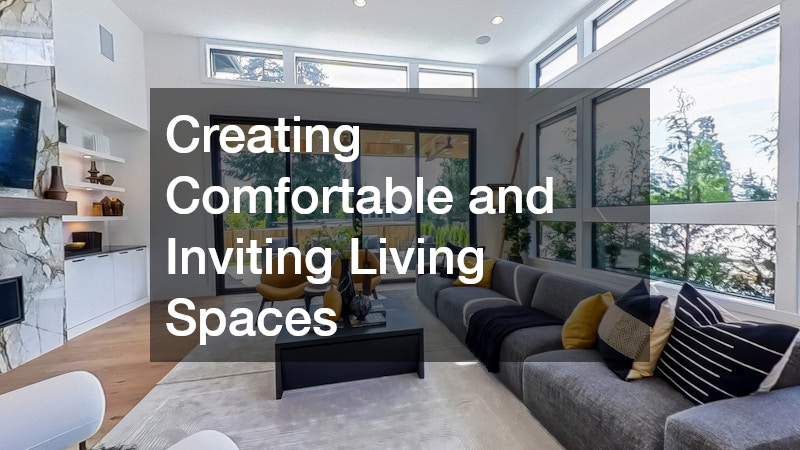
A home’s interior atmosphere plays a major role in perceived value. Buyers often make emotional decisions within minutes of entering a space, which means comfort, lighting, and focal design features matter more than many homeowners realize. Even small details—like how natural light enters a room or how a central gathering area feels during conversation—can influence whether a buyer envisions themselves living in the home.
A well-designed living space should feel both functional and welcoming. That balance often comes from combining architectural features with thoughtful finishing touches. This includes everything from layout flow and ceiling height perception to how furniture naturally fits within the space. Homes that feel open yet cozy tend to leave the strongest impression, especially when multiple design elements work together rather than compete for attention.
Fireplace upgrades and installation considerations
A fireplace remains one of the most desirable features in residential properties. Working with a professional fireplace company ensures the installation or upgrade meets safety standards while enhancing visual appeal. Beyond aesthetics, a fireplace can become a natural gathering spot for families and guests, enhancing a home’s emotional appeal.
Key value-boosting considerations include:
- Choosing between gas, electric, or wood-burning options based on lifestyle and maintenance preferences
- Updating outdated brick or stone surrounds for a more modern aesthetic
- Positioning the fireplace as a focal point in open-concept living areas
- Ensuring proper ventilation and energy efficiency compliance
- Selecting complementary mantel designs and surrounding finishes to match the overall interior style
A fireplace not only improves ambiance but also increases buyer interest in colder climates, where it can be seen as both a luxury feature and a functional heating supplement. In many cases, homes with updated fireplaces photograph better for listings, creating stronger first impressions online before buyers even step inside.
Window treatments and light control improvements
Window design significantly influences interior comfort, lighting quality, and privacy. Upgrading window blinds is a simple but highly effective way to modernize a home. However, the impact goes beyond appearance—window treatments directly affect how livable and energy-efficient a space feels year-round.
Benefits include:
- Improved insulation during extreme temperatures
- Better control of natural lighting throughout the day
- Enhanced privacy without sacrificing style
- Increased energy efficiency when paired with quality materials
- Reduced glare on screens and improved comfort in living areas
When combined with professionally selected custom window treatment solutions, homeowners can create cohesive interior design themes that elevate every room. Coordinating fabric, texture, and color choices across different spaces helps unify the home’s aesthetic, making it feel intentionally designed rather than pieced together over time.
Enhancing Energy Efficiency and Home Systems
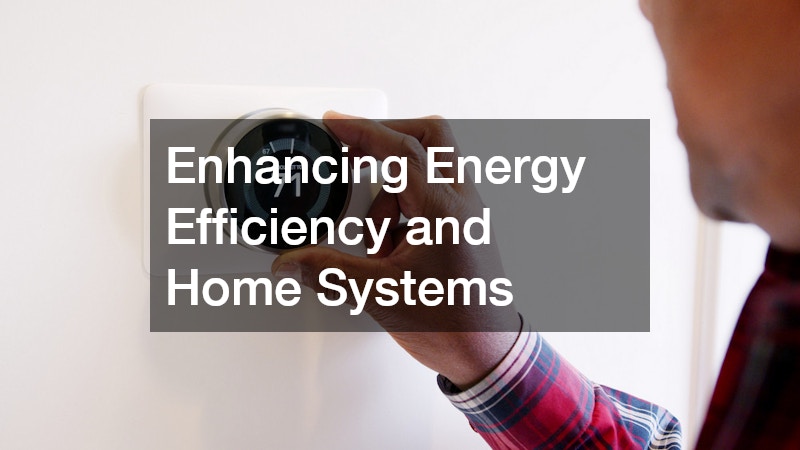
Energy efficiency is one of the most important factors for modern homebuyers. Lower utility costs and smart home features directly contribute to higher property value and marketability. Beyond monthly savings, energy-efficient homes are also seen as more sustainable and easier to maintain, which increases their overall appeal in competitive real estate markets. Buyers are increasingly prioritizing homes that reduce environmental impact while still delivering comfort and performance.
Smart temperature control systems
Upgrading climate control systems through professional thermostat installation can significantly improve energy management. Modern systems go beyond simple temperature regulation—they learn household patterns and adjust automatically to optimize efficiency without sacrificing comfort.
Advantages include:
- Reduced heating and cooling costs through automated scheduling
- Remote control via smartphone apps for convenience
- Improved HVAC system lifespan due to optimized usage patterns
- Increased appeal to tech-savvy buyers
- More consistent indoor comfort with fewer temperature fluctuations
- Integration with other smart home devices for centralized control
Smart thermostats are often considered a “small upgrade with big impact” because they provide immediate savings and long-term efficiency benefits. They also help homeowners monitor energy usage in real time, making it easier to identify wasteful habits and adjust accordingly. Over time, this data-driven approach can significantly reduce utility expenses and extend the life of expensive HVAC equipment.
Managing water flow and exterior protection
Proper drainage is essential for protecting a home’s foundation and landscaping. One of the most overlooked but critical upgrades is seamless gutter installation. When water is not properly directed away from a structure, it can cause long-term structural damage that is expensive to repair and negatively affects property value.
Key benefits include:
- Reduced risk of water damage to roofing and siding
- Prevention of soil erosion around the foundation
- Fewer clogs compared to traditional sectional systems
- Improved exterior appearance with a clean, continuous design
- Lower likelihood of basement leaks and moisture buildup
- Reduced maintenance requirements over time
Seamless systems also perform better during heavy rainfall because they have fewer joints where debris can accumulate or leaks can form. This makes them a practical investment for homeowners focused on long-term durability. Together, efficient climate control and proper water management create a strong foundation for long-term property value retention, ensuring the home remains both functional and attractive for future buyers.
Maintaining Critical Home Infrastructure
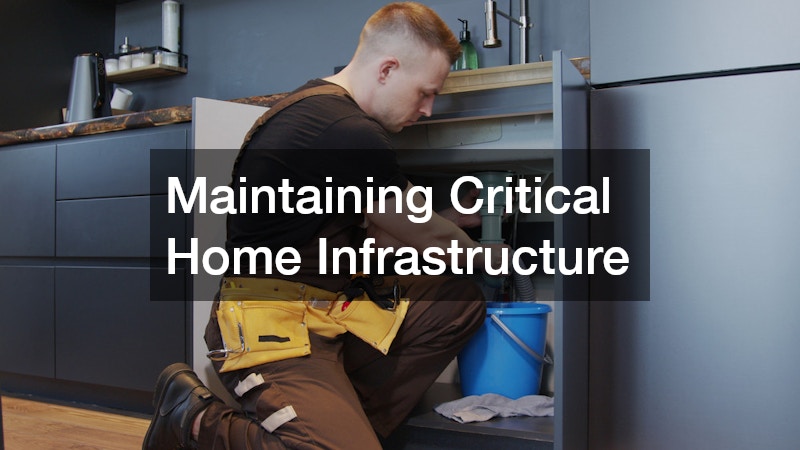
While upgrades improve value, maintenance protects it. Hidden systems such as plumbing and roofing often determine whether a home passes inspection or requires costly negotiations during a sale. These systems are not always visible during everyday living, but they have a major impact on long-term structural health and financial stability. Buyers and inspectors tend to focus heavily on anything that suggests deferred maintenance, which can quickly reduce perceived value even if the home looks visually appealing.
Preventing plumbing issues before they escalate
Routine drain cleaning is essential to avoid major plumbing problems that can affect functionality and resale value. Over time, grease, hair, soap residue, and mineral buildup can restrict water flow and place unnecessary stress on pipes. Left unaddressed, these issues can lead to backups that damage flooring, walls, and cabinetry.
Common benefits include:
- Prevention of slow drains and blockages
- Elimination of unpleasant odors caused by the buildup
- Reduced risk of pipe corrosion or damage
- Improved overall plumbing system efficiency
- Lower likelihood of emergency service calls
- Better water flow consistency throughout the home
Regular maintenance helps homeowners avoid emergency repairs, which can be expensive and disruptive. It also supports a healthier living environment by reducing moisture buildup that can contribute to mold growth. Preventative care is especially important in older homes where plumbing systems may already be under increased strain.
Roof integrity and long-term protection
The roof is one of the most heavily inspected components during a home sale. Hiring a qualified roofer ensures structural integrity and helps avoid unexpected issues that could delay or derail a transaction. Because the roof protects the entire home, even minor damage can have widespread consequences if left unaddressed.
Important considerations include:
- Regular inspections for leaks, missing shingles, or damage
- Timely repairs to prevent interior water damage
- Material upgrades that improve durability and energy efficiency
- Proper ventilation to extend the roof’s lifespan
- Checking flashing, gutters, and sealants for weaknesses
- Documenting maintenance history for buyer confidence
A well-maintained roof reassures buyers and can significantly influence final offer prices. In many cases, a recently serviced or replaced roof becomes a strong negotiating advantage, reducing buyer hesitation and increasing overall market competitiveness.
Upgrading Interior Surfaces and Functional Spaces
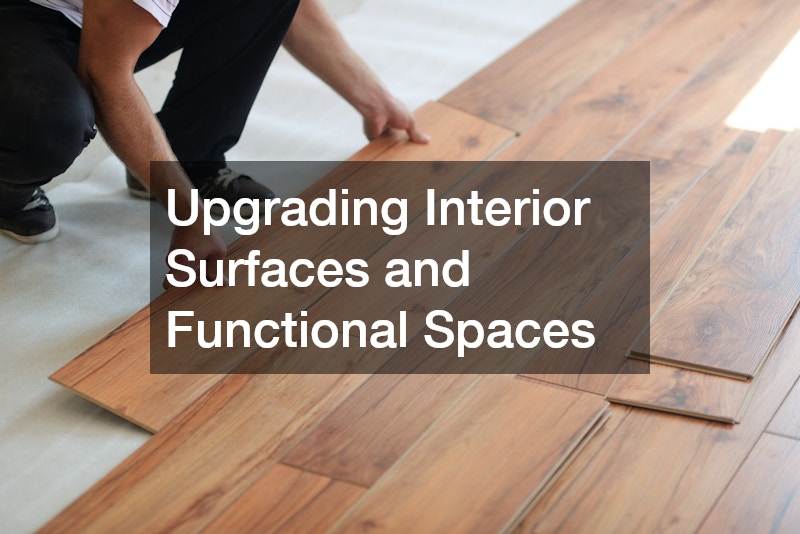
Interior upgrades often deliver some of the highest returns on investment because they directly affect daily living experience and visual appeal. Unlike exterior improvements that focus on first impressions, interior enhancements shape how comfortable and functional a home feels day to day. Buyers tend to pay close attention to surfaces they interact with constantly, such as floors, bathrooms, and kitchen-adjacent spaces, because these areas signal how well the home has been maintained overall.
Flooring improvements that transform interiors
Professional flooring services can completely change how a home feels and functions. Flooring is one of the first features buyers notice when entering a property, and it sets the tone for the rest of the interior design. Worn, outdated, or mismatched flooring can make even a well-maintained home feel neglected, while modern, cohesive surfaces create an immediate sense of quality.
Popular upgrade strategies include:
- Replacing outdated carpet with hardwood or luxury vinyl
- Choosing durable materials for high-traffic areas such as hallways and living rooms
- Maintaining consistency in flooring styles across open spaces to improve visual flow
- Refinishing existing hardwood to restore natural beauty without full replacement
- Selecting water-resistant materials for kitchens, entryways, and basements
- Matching flooring tones with wall colors and cabinetry for a unified design
Quality flooring not only improves aesthetics but also reduces maintenance concerns for future homeowners. It can also improve indoor air quality by reducing the buildup of trapped allergens commonly found in older carpeted surfaces, making the home more appealing to families and health-conscious buyers.
Bathroom enhancements with modern glass features
Bathrooms are a major selling point in any home. Installing custom shower doors can elevate even a basic bathroom into a modern, spa-like space. Buyers often associate bathroom quality with overall home value, making this one of the most impactful renovation areas.
Benefits include:
- A cleaner, more open visual design compared to curtains
- Easier maintenance and improved hygiene due to fewer moisture-trapping surfaces
- Enhanced perception of luxury and modern design
- Increased light flow in smaller bathrooms, making them feel larger
- Improved durability compared to standard plastic or fabric alternatives
These upgrades are especially effective when paired with updated tile, lighting, and fixtures. When all elements work together, the bathroom feels cohesive and intentionally designed, which significantly boosts buyer interest and perceived property value.
Boosting Exterior Appeal and Structural Boundaries
The exterior of a home creates the first impression and significantly influences perceived value. Curb appeal improvements often lead to faster sales and stronger offers. Buyers often form opinions before they even enter the home, so the exterior condition can heavily influence perceived maintenance quality, even if the interior is fully updated. A well-maintained exterior signals pride of ownership and reduces concerns about hidden repair costs.
Improving property boundaries and security
Hiring a professional fencing contractor ensures that fencing is both functional and visually appealing. A properly designed fence does more than mark property lines—it enhances usability, safety, and overall landscape design.
Key benefits include:
- Increased privacy and security for homeowners
- Defined property boundaries that enhance structure
- Improved aesthetic consistency with home design
- Added appeal for families and pet owners
- Better outdoor space usability for entertaining or recreation
- Increased sense of enclosure that improves perceived property value
Fence style and material selection can also complement landscaping and architectural design, further improving overall presentation. For example, wood fencing may create a warm, traditional look, while vinyl or metal options offer low-maintenance durability and a more modern appearance. The key is ensuring that the fencing aligns with the home’s architectural style and neighborhood standards, which helps avoid a visual imbalance that can detract from curb appeal.
Enhancing exterior window presentation
Exterior appearance is not only about structure but also visual balance. Coordinating with a custom window treatment approach helps create a unified design from the outside. Windows are one of the most visible exterior features, and inconsistent styling can make even an updated home appear unfinished or mismatched.
Considerations include:
- Matching exterior colors with window styling choices
- Using materials that complement siding and trim
- Improving energy efficiency through layered insulation options
- Maintaining a consistent design across all visible windows
- Enhancing symmetry and proportion for better curb appeal
- Reducing heat gain and UV exposure through strategic window coverage
Protecting the home from weather damage
Exterior water management is another crucial factor in property preservation. Alongside roofing systems, properly designed drainage, supported by seamless gutter installation, helps protect siding, landscaping, and foundations from long-term damage. Water-related issues are among the most expensive to repair, making prevention a key part of protecting property value.
When combined with improvements to fencing and window design, the home gains both functional protection and visual appeal. These upgrades work together to create a cohesive exterior that feels well-maintained, structurally sound, and highly attractive to potential buyers.
Increasing property value requires a balanced approach that combines design upgrades, system improvements, and preventative maintenance. Homes that perform well in the market are not just visually appealing—they are structurally sound, energy efficient, and thoughtfully maintained.
Investing in the right services ensures long-term benefits, including lower repair costs, stronger buyer interest, and improved day-to-day comfort. Whether preparing to sell or simply improving a living space, strategic upgrades create lasting value that extends well beyond appearance alone.