
Your roof is more than just a protective layer over your home—it is a critical part of your property’s structural integrity, energy efficiency, and overall value. Over time, roofs experience wear and tear from harsh weather conditions, debris, and general aging. Many homeowners wait until there’s visible damage before considering upgrades, but proactive planning can prevent costly repairs and extend the life of your roof.
Upgrading your roof doesn’t have to be overwhelming. By understanding the different materials, knowing when to repair versus replace, and hiring the right professionals, you can make informed decisions that safeguard your home and your investment. This guide provides actionable tips and strategies for homeowners looking to improve their roofs effectively, safely, and efficiently.
Assess Your Current Roof’s Condition
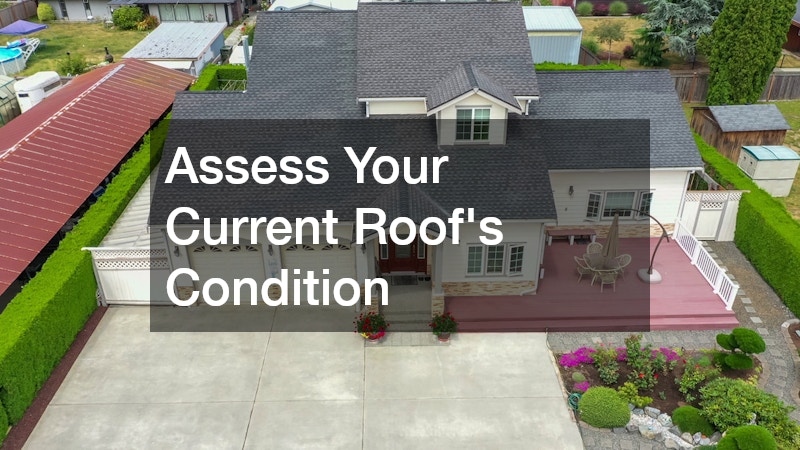
Before committing to any upgrades, it’s important to understand the state of your roof. A thorough evaluation helps you identify issues early and determine the best course of action. While some assessments can be done by homeowners, professional inspections ensure nothing is overlooked.
Tips for evaluating your roof:
- Visual inspection: Walk around your property and look for missing, cracked, or curling shingles. Check for sagging areas, uneven spots, or discoloration that could indicate water damage or material degradation. Pay special attention after storms or high winds, as debris or fallen branches can cause hidden damage that might not be immediately noticeable.
- Interior check: Inspect your attic for water stains, mold, or signs of leaks. Look for light shining through any gaps in the roof structure, which can signal holes or deteriorated underlayment. Check insulation for moisture accumulation and monitor any unusual odors, as damp areas can lead to structural decay or promote mold growth over time.
- Gutter inspection: Clogged or damaged gutters can indicate underlying roof problems. Look for excess granules from shingles, which may point to aging or wear. Check for debris accumulation, standing water, or sagging sections of the gutter system, as these can cause water to back up and damage the roof or fascia.
- Professional evaluation: Hiring a residential roofer ensures a comprehensive assessment. Professionals have the expertise to detect subtle signs of damage, such as loose flashing, hidden leaks, or compromised underlayment. They can provide recommendations for repairs, preventative measures, or a full roof replacement based on their findings.
Additionally, homeowners should keep a maintenance log to track roof issues, repairs, and inspections. Recording details like dates, observed problems, and actions taken helps in planning future upgrades and provides documentation for insurance claims if damage occurs. Including a roof inspection early in the process allows homeowners to prioritize upgrades based on urgency, preventing minor issues from becoming major problems and ensuring the longevity of their investment.
Decide Between Repair and Replacement
One of the most critical decisions homeowners face is whether to repair minor damage or replace the entire roof. Several factors influence this choice, including age, material condition, and the extent of damage. Making the right choice early can save money, prevent future problems, and extend the life of your roof.
Consider the following before making a decision:
- Age of the roof: Most roofs last 20–30 years depending on materials. Asphalt shingles typically last around 20 years, while metal roofs or slate can last much longer. If your roof is nearing the end of its expected lifespan, multiple repairs may become frequent and costly. In such cases, full replacement is often a better investment, providing long-term protection and peace of mind.
- Extent of damage: Minor issues like a few cracked or missing shingles can usually be addressed with a targeted roof repair. However, if you notice widespread shingle curling, sagging areas, or repeated leaks in multiple locations, these are signs that the underlying structure may be compromised. Extensive rot, water damage, or deteriorated underlayment usually signals the need for a full roof replacement.
- Cost considerations: Repairs are generally less expensive upfront, but repeated repairs over a short period can add up, sometimes exceeding the cost of a replacement. Replacement requires a larger initial investment but can reduce future maintenance costs and enhance property value.
- Energy efficiency: Older roofs often allow heat to escape in winter or let in excess heat in summer due to worn insulation or ventilation issues. Upgrading your roof with modern materials or improved insulation can lower energy bills, improve indoor comfort, and even qualify for energy efficiency incentives in some areas.
- Aesthetic and resale value: A new roof can dramatically improve curb appeal, which is important if you plan to sell your home. Conversely, visible repairs or patchwork may detract from the property’s overall appearance.
A professional roofing contractor can evaluate your roof, weighing all these factors to provide a clear recommendation. They can perform a detailed assessment, estimate costs, and explain the pros and cons of repairing versus replacing, helping homeowners make a decision that balances durability, efficiency, and budget.
Choose the Right Roofing Materials
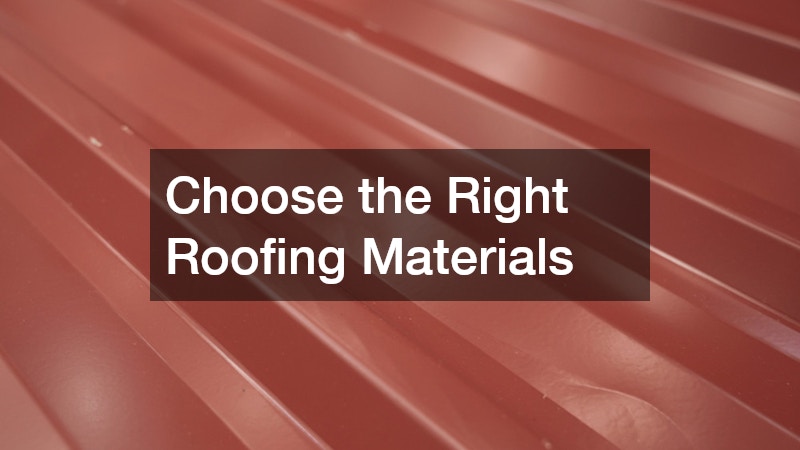
Selecting the appropriate material for your roof is crucial to balancing durability, cost, and aesthetics. Different materials offer various advantages depending on your climate, architectural style, and long-term goals.
Common options include:
- Asphalt shingles: Affordable, widely available, and easy to repair. Suitable for most residential properties.
- Metal roofs: Extremely durable, energy-efficient, and resistant to fire, rot, and insects. They can last 40–70 years with proper maintenance.
- Slate or tile: High-end options that provide exceptional longevity and curb appeal. Require professional installation due to weight and complexity.
- Wood shakes: Offer a natural appearance but require regular maintenance to prevent rot and insect damage.
Tips for choosing materials:
- Assess local weather patterns to select materials that withstand wind, rain, or snow.
- Consider energy efficiency ratings and insulation benefits.
- Match roofing materials with the style of your home to enhance curb appeal.
- Factor in long-term maintenance costs and lifespan.
Investing in high-quality materials and roofing services ensures your upgrade provides both aesthetic and functional benefits for years to come.
Hire a Trusted Professional

Even with the best materials and careful planning, a poorly executed roof upgrade can result in costly repairs, safety hazards, and frustration. Selecting a reputable professional is essential to ensure your project is completed correctly, on time, and within budget. A skilled expert can not only install or repair your roof but also provide guidance on materials, maintenance, and long-term durability.
Steps to find the right expert:
- Research credentials: Verify that the professional holds proper licensing and insurance for your state or municipality. Certifications from recognized industry organizations can indicate specialized training and adherence to best practices. Licensed contractors are typically required to meet safety standards, which protects both your home and yourself in the event of accidents.
- Check references and reviews: Speak to previous clients about their experiences. Ask about communication, timeliness, and quality of work. Online reviews can provide additional insights, but personal references are often more reliable in understanding how a contractor handles problems or unexpected challenges.
- Request multiple quotes: Obtain estimates from at least three professionals to compare pricing, scope of work, and proposed timelines. Be cautious of quotes that seem unusually low, as they may indicate substandard materials or shortcuts in workmanship.
- Understand warranties: A trustworthy roofing contractor will provide warranties on both materials and labor. Clarify what is covered, the duration, and any maintenance requirements. This ensures you’re protected if issues arise after the project is complete.
Additionally, observe their professionalism during initial consultations. Prompt responses, clear explanations, and a willingness to answer questions are good indicators of a reliable contractor. A reliable roofing company can manage every aspect of your project—from minor repairs to full replacements—while ensuring compliance with local building codes and best practices. By investing time in selecting the right professional, you protect your home and ensure long-term peace of mind.
Understand the Installation Process
A new roof installation can seem daunting, but understanding the process helps homeowners plan effectively, reduce stress, and minimize disruption to daily life. Being informed allows you to coordinate schedules, prepare your property, and communicate effectively with your contractor.
Steps typically involved in a roof installation:
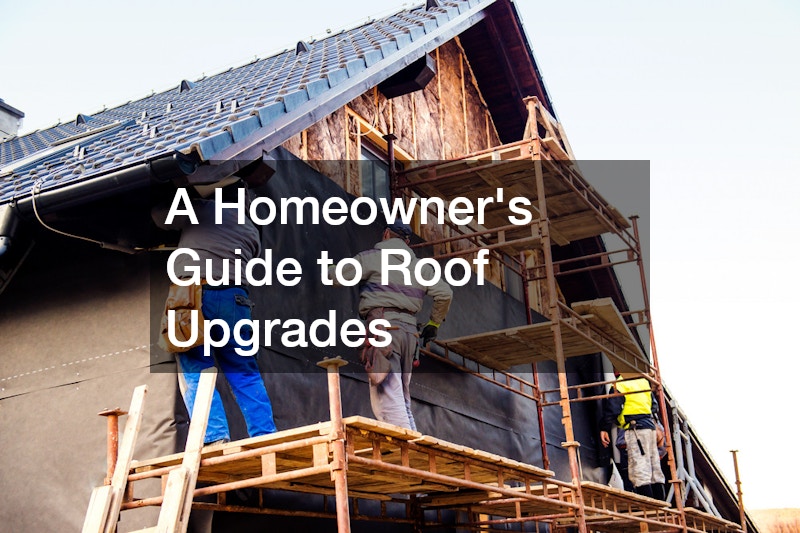
- Preparation: Before work begins, clear the property of vehicles, outdoor furniture, and fragile landscaping. Protect plants and structures from falling debris with tarps and temporary barriers. Removing old roofing materials is often necessary, which may include tearing off shingles, underlayment, and damaged wood decking. This step can create noise and dust, so homeowners should plan accordingly.
- Underlayment and decking: The roof deck is inspected for any signs of rot or structural weakness. A protective underlayment is then installed to provide a moisture barrier and improve durability. Proper installation at this stage is critical to prevent leaks and extend the lifespan of the roof.
- Shingle or material placement: The chosen roofing material, whether shingles, metal panels, or tiles, is installed with attention to proper alignment, spacing, and attachment. Even small mistakes during this step can lead to leaks or premature wear, so professional expertise is essential.
- Flashing and ventilation: Proper flashing is installed around chimneys, vents, skylights, and roof edges to prevent water infiltration. Ventilation components, such as ridge vents and soffit vents, are also incorporated to maintain airflow, regulate temperature, and reduce moisture buildup in the attic.
- Final inspection: A thorough walkthrough ensures all materials are secure, debris is cleared, and no areas have been overlooked. Homeowners should ask questions and verify that warranties, manufacturer guidelines, and local building codes have been met.
Having a residential roofer oversee the entire installation ensures precision, safety, and compliance with industry standards. Open communication, clear timelines, and preparation can prevent unexpected delays, reduce project stress, and ensure a high-quality result that protects your home for decades.
Plan for Emergency Situations
Unexpected roof damage from storms, fallen branches, heavy snowfall, or sudden leaks can be stressful and overwhelming. Without a clear plan, even minor incidents can escalate into costly repairs or structural damage. Being proactive and prepared allows homeowners to respond quickly, protect their property, and minimize long-term consequences.
Emergency preparedness tips:
- Keep a list of local roofing services: Maintain contact information for several trusted roofing professionals. In an emergency, having these numbers readily available can save critical time and reduce stress. Choose contractors who offer 24/7 emergency roof repair services if possible.
- Have temporary materials on hand: Keep tarps, roofing sealants, nails, and basic tools available for quick temporary fixes. For example, if a storm dislodges shingles or causes a small leak, a tarp can prevent water from entering the home until professionals arrive.
- Document damage for insurance purposes: Immediately take photos or videos of any affected areas. Include close-ups of damaged shingles, gutters, or flashing, as well as wide-angle shots of the overall roof. Detailed documentation helps streamline insurance claims and ensures you receive appropriate coverage.
- Know when to call a professional: Minor issues, like small leaks or a few displaced shingles, may be manageable temporarily. However, large-scale damage, structural compromise, or signs of mold and water intrusion require immediate professional attention. Acting quickly can prevent further deterioration and costly long-term repairs.
- Create a safety plan: Ensure family members avoid areas with falling debris, weakened structures, or slippery surfaces. Safety should be the top priority when dealing with roof emergencies.
Hiring a trusted contractor for emergency roof repair ensures that repairs are done efficiently, safely, and according to best practices. Professionals can stabilize the roof, perform necessary temporary fixes, and plan long-term solutions, giving homeowners peace of mind during stressful situations. Planning ahead not only protects the roof but also safeguards your home, family, and investment.
Enhance Longevity and Efficiency
After upgrading your roof, ongoing maintenance and efficiency improvements are critical to maximize your investment.
Maintenance strategies:
- Schedule regular roof inspections to catch minor issues early.
- Keep gutters and downspouts clear to prevent water damage.
- Trim overhanging tree branches to reduce debris accumulation.
- Inspect flashing, vents, and seals for signs of wear.
- Ensure proper insulation and ventilation to regulate temperature and prevent moisture buildup.
A roofing company can provide annual check-ups, maintenance programs, and advice for keeping your roof in peak condition for decades.
Budgeting and Financing Your Upgrade

Roof upgrades can be a significant financial commitment. Planning and budgeting carefully ensures you can complete the project without unexpected strain.
Budgeting tips:
- Obtain multiple estimates for both repair and replacement options.
- Research material costs, labor charges, and permit fees.
- Factor in potential maintenance costs over time.
- Explore financing options or insurance coverage if applicable.
- Consider long-term value: a high-quality roof can increase home resale value and reduce energy bills.
Understanding the financial aspect allows homeowners to make informed choices, balancing immediate expenses with long-term benefits.
Adding Value and Curb Appeal
A roof upgrade isn’t just about protection—it also enhances the appearance and marketability of your home.
Tips to improve aesthetics:
- Select roofing materials that complement your home’s architecture.
- Consider color schemes that enhance curb appeal.
- Use durable, low-maintenance options like metal roofs for a modern look.
- Coordinate roofing upgrades with exterior projects such as painting, siding, or landscaping.
- Ensure professional installation for a polished, uniform finish.
By investing in high-quality materials and proper installation, homeowners can boost their property’s value while enjoying a roof that performs well for decades.
Roof upgrades are a critical aspect of homeownership that impact safety, comfort, energy efficiency, and property value. By assessing your current roof, choosing the right materials, hiring trusted professionals, and planning for maintenance and emergencies, you can ensure your home remains protected for years to come. Proactive decisions and informed planning help prevent costly repairs, extend the lifespan of your roof, and enhance both the function and beauty of your home.
Taking the time to understand each step of the upgrade process empowers homeowners to make decisions confidently, ensuring peace of mind and long-term satisfaction.