
When homeowners notice issues with their roofs—whether it’s a leak, missing shingles, or storm damage—one of the biggest decisions they face is whether to pursue repairs or invest in a full replacement. This decision isn’t always straightforward. Many factors come into play, including roof age, severity of damage, budget, safety concerns, and long-term home value. Understanding how professionals and homeowners approach this choice can help you make a confident, informed decision. Whether small fixes or major work is needed, timely roof repairs play a significant role in maintaining the integrity of your home.
Below is a detailed look at how homeowners typically decide between repairing their roof and replacing it entirely.
Assessing the Age of the Roof Is the First Step
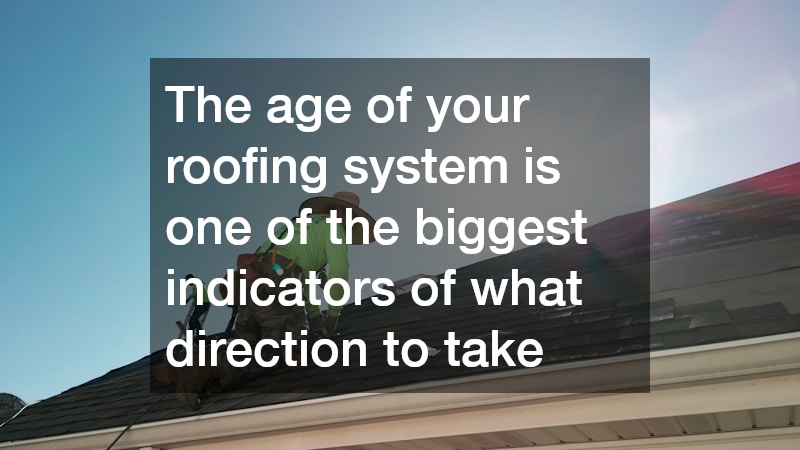
The age of your roofing system is one of the biggest indicators of what direction to take. Most asphalt shingle roofs last about 20–30 years, depending on installation quality and weather exposure.
If your roof is nearing or past this age, replacement may be the smarter financial choice, even if the damage seems minor.
Younger roofs, on the other hand, often benefit from targeted roof repairs, especially if the damage is isolated. Knowing your roof’s age helps set realistic expectations and prevents investing in short-term fixes for a long-term problem.
Evaluating the Extent and Type of Damage
Not all roofing damage is equal. Homeowners and roofing professionals look closely at the type of issue before deciding between repair and replacement.
Repairs may be sufficient when:
-
A few shingles are missing
-
Flashing is loose or cracked
-
Small leaks appear in one area
-
Storm debris has caused minor surface damage
Replacement is often necessary when:
-
Damage is widespread across large roof sections
-
Water has penetrated the decking
-
There is significant sagging or structural compromise
-
Shingles show uniform deterioration from age
Professionals performing roof repairs start with a full inspection to determine the root cause of damage. This helps homeowners avoid patching a surface issue while missing a deeper underlying problem.
Considering Long-Term Cost vs. Short-Term Savings
Budget is always a major factor when homeowners choose between repair and replacement. While repairs typically cost less upfront, they may not always be the best long-term solution. If a roof requires frequent repairs, those costs can add up—sometimes surpassing the price of a new roof.
Homeowners weigh:
-
The cost of repeated roof repairs
-
The remaining lifespan of the current roof
-
The savings gained from improved energy efficiency with a new roof
-
How long they plan to stay in the home
If the roof has extensive problems, replacement usually provides better long-term value. But if issues are isolated and the roof still has many years left, repairs are often the most cost-effective choice.
Inspecting for Hidden Structural Damage
Visible damage doesn’t always reveal the full story. Water infiltration, mold growth, or deteriorated decking often remain hidden beneath shingles. Homeowners who notice ceiling stains, musty smells, or attic moisture often discover deeper problems during inspection.
If hidden damage is extensive, full replacement may be necessary to restore structural integrity. However, if the underlying materials are still strong, targeted roof repairs can address the issue without requiring a full overhaul.
Understanding How Ventilation and Insulation Impact Decisions
Roofing professionals know that ventilation and insulation play a major role in roof health. Poor ventilation causes shingles to age faster, encourages mold growth, and contributes to ice dams in winter. When deciding between repair and replacement, roofers look at whether underlying ventilation problems need to be corrected.
Sometimes the roofing material itself is still in good condition, but the ventilation system requires upgrades. In such cases, repairs combined with ventilation improvements may be enough. But if poor ventilation has already caused widespread shingle deterioration, replacement may be the only lasting solution. Homeowners rely on these insights to make informed decisions about whether roof repairs will be sufficient.
Factoring in Curb Appeal and Home Value
A home’s exterior appearance matters, especially for homeowners preparing to sell. While repairs can restore functionality, they may not always restore uniformity. Matching colors of older shingles can be difficult, and noticeable patchwork may detract from curb appeal.
Homeowners planning to sell within a few years often choose replacement to boost resale value. A new roof attracts buyers, increases appraisal value, and reduces inspection-related issues. However, for homeowners staying long-term who prioritize functionality over aesthetics, strategic roof repairs may be perfectly suitable.
Weighing Safety and Urgency
If a roof poses an immediate safety risk—such as sagging, structural instability, or severe water intrusion—a full replacement becomes a priority. Safety concerns outweigh cost or convenience.
But when the issue is minor and manageable, such as a small leak or isolated damage from fallen debris, repairs are often appropriate and sufficient. Homeowners balance the urgency of the problem with the scope of the solution.
Taking Weather and Seasonal Timing Into Account
The time of year also influences whether repairs or replacements make sense. During colder months, replacement may be more challenging or take longer due to temperature-sensitive materials. In these cases, temporary roof repairs may be recommended until conditions allow for a full installation.
Homeowners also consider upcoming weather patterns. If a storm season is approaching, they may opt for replacement sooner rather than risk additional damage.
Relying on Professional Recommendations
While homeowners weigh multiple factors, they ultimately rely on the expertise of roofing professionals. Experienced roofers offer insights into:
-
The lifespan of existing materials
-
The likelihood of future repairs
-
Hidden damage risks
-
The cost-benefit comparison of each option
Honest roofing contractors prioritize customer needs and provide clear explanations for their recommendations. Whether repairs or replacement are advised, the goal is always long-term durability and protection.
Deciding between roof repairs and full replacement is a decision that involves evaluating age, damage, budget, safety, and long-term goals. By understanding the factors involved and seeking professional guidance, homeowners can choose an option that protects their investment, enhances their home’s value, and ensures lasting peace of mind.