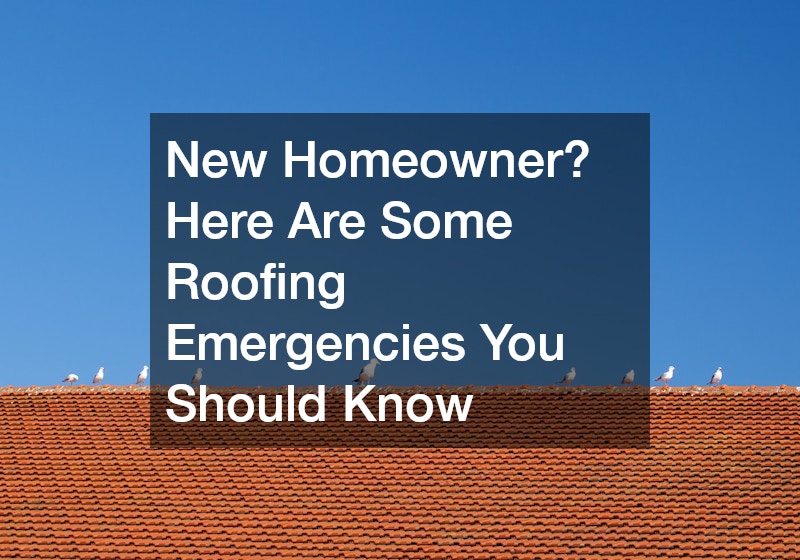

Becoming a new homeowner is an exciting milestone, but it also comes with new responsibilities—especially when it comes to maintaining and protecting your roof. Your roof is the home’s first line of defense against weather, pests, and structural damage. When something goes wrong, it often happens suddenly and can quickly escalate into a major problem. Understanding the types of roofing emergencies you may encounter helps you act fast, minimize damage, and know when to call a professional roof repair service for help.
Below are the most common roofing emergencies new homeowners should be aware of—and what to do when they happen.
Sudden Roof Leaks During Heavy Storms
One of the most common and urgent roofing emergencies is a sudden leak during a rainstorm. Even a small drip can rapidly become a major indoor issue.
Water can damage ceilings, walls, flooring, and electrical systems. Storm-related leaks often result from:
-
Missing or cracked shingles
-
Damaged flashing
-
Worn sealants
-
Wind-lifted roofing materials
If you notice water entering your home, place buckets under active drips and move belongings away from the area. Avoid climbing onto the roof during the storm—it’s extremely dangerous. Instead, contact a professional roof repair service as soon as possible for emergency assistance once the weather is safe.
Wind or Storm Damage
High winds can tear shingles off your roof, loosen ridge caps, or send debris crashing into roofing surfaces. Even minor wind damage can create openings that lead to leaks during the next rainfall.
Storm damage may include:
-
Entire sections of exposed roof decking
-
Lifted shingles that haven’t fully detached
-
Fallen tree limbs
-
Loose flashing
If your roof has visible storm damage, cover the affected area with a tarp if you can do so safely. A trained roof repair service can provide secure, temporary protection and assess the full extent of the repairs needed.
Punctures from Falling Trees or Debris
Branches, limbs, and even entire trees can cause serious roof punctures during storms. These punctures allow water to enter quickly and often affect multiple layers of roofing material. They may even cause structural issues in the attic or framing.
Never handle a fallen tree yourself, as it can continue shifting and cause injury. Call an emergency tree removal service and a qualified roofer to stabilize the roof. A professional roof repair service will inspect for hidden damage beneath the impact site.
Flashing Failures Around Chimneys and Skylights
Flashing is a metal barrier that prevents water from entering at vulnerable roof intersections. New homeowners often overlook flashing because it’s less visible than shingles—but it is one of the leading causes of roof leaks.
Common flashing emergencies include:
-
Rusted or cracked metal
-
Flashing pulled loose by wind
-
Improper installation during construction
-
Sealant deterioration
When flashing fails, leaks can spread quickly into ceilings and walls. If you notice moisture near chimneys, vents, or skylights, contact a roof repair service immediately.
Ice Dams in Winter
If you live in a colder region, ice dams are a major roofing emergency to watch for. Ice dams form when warm air from the attic melts snow on the roof, causing water to run downward and refreeze at the edges. The ice creates a barrier that traps additional water, forcing it under the shingles.
Signs of ice dams include:
-
Water stains along ceilings
-
Icicles hanging from the roof edge
-
Buckling shingles under ice
-
Dripping inside the home during snowmelt
A professional roof repair service can remove ice dams safely and address ventilation or insulation issues that contribute to the problem.
Animal or Pest Intrusions
Squirrels, raccoons, birds, and other pests can cause emergency roof damage. They may burrow through shingles, nest in attic spaces, or create holes in roof decking. Once inside, animals can damage wiring, insulation, and stored belongings.
If you hear scratching or movement in the attic, check for signs of intrusion. A roofer can help seal entry points and repair the damage. Pest control may also be needed to remove the animals before repairs can begin.
Sagging or Structurally Compromised Roof Sections
A sagging roof is a serious emergency. It can indicate:
-
Water-saturated decking
-
Rotting structural supports
-
Improper construction
-
Excess snow load
A visibly sagging roof can collapse if not addressed quickly. Avoid placing weight on the area and leave the home if the sag is severe. Contact a structural expert and a qualified roof repair service immediately.
Clogged or Damaged Gutters Leading to Overflow
Although gutters are not part of the roof itself, they play a critical role in protecting it. When gutters clog or pull away from the home, water cannot drain properly, leading to overflow that seeps under shingles or into soffits.
Signs of gutter emergencies include:
-
Water pouring over the sides
-
Gutters pulling loose
-
Visible fascia board rot
-
Moisture entering walls
A roofer can fix drainage issues and replace damaged roofing components caused by water overflow.
Improper Installation by Previous Owners
As a new homeowner, you might inherit roofing problems caused by poor installation from past contractors. Incorrect shingle alignment, inadequate nailing, or improperly installed flashing may not show immediate signs—but can suddenly fail during the first heavy storm.
If you notice unusual shingle patterns, frequent leaks, or premature wear, schedule an inspection. Professional roof repair service providers can identify installation errors and correct them before they lead to major failures.
As a new homeowner, understanding common roofing emergencies helps you stay prepared and act quickly when something goes wrong. Whether it’s storm damage, leaks, pest intrusion, or structural concerns, rapid response is essential to prevent costly interior damage. Calling a reliable roof repair service ensures the problem is assessed accurately and handled safely. With the right knowledge and professional support, you can protect your home and keep your roof in excellent condition for years to come.