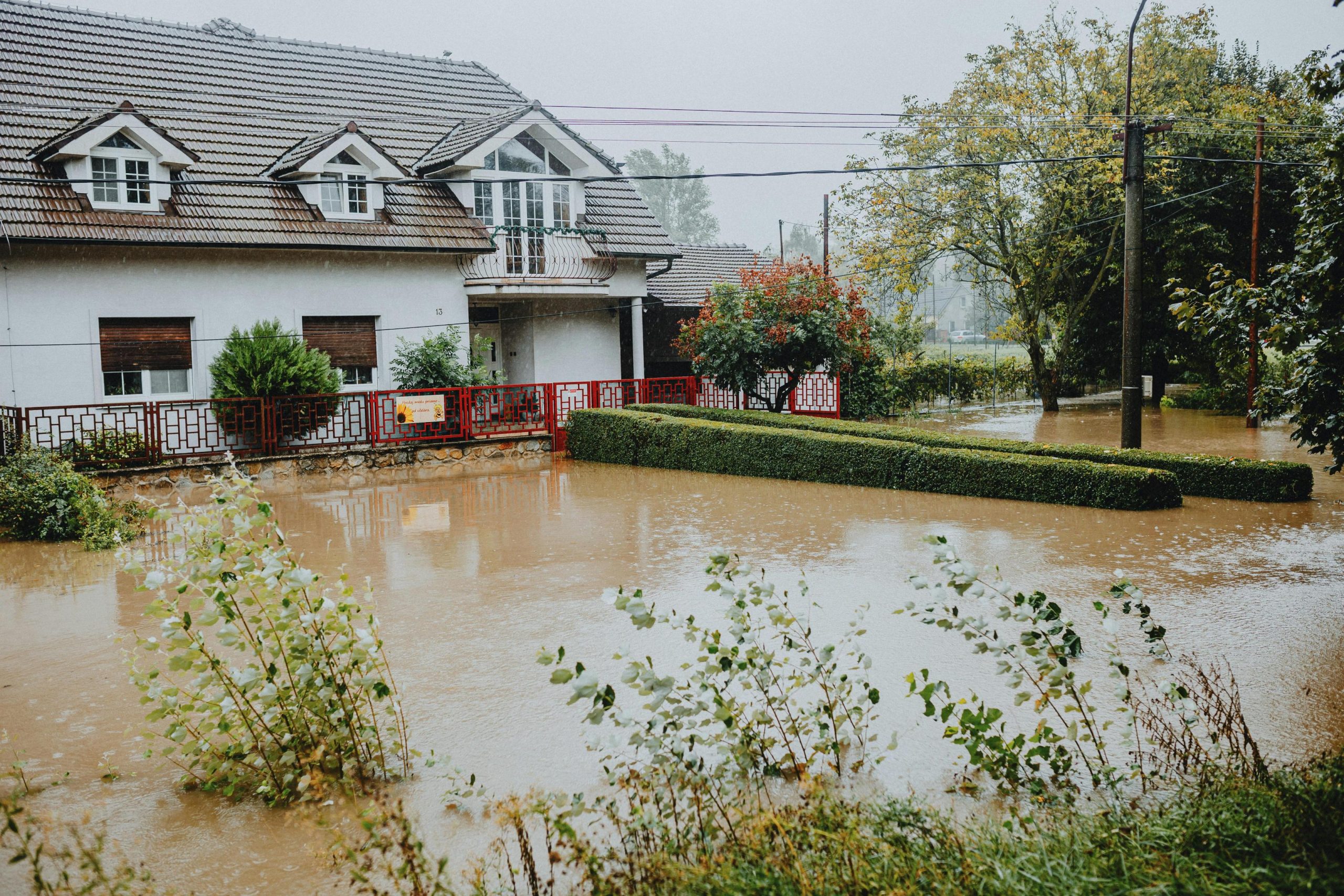

A flooded basement can be one of the most stressful experiences for a homeowner. Water can seep in from heavy rains, burst pipes, or faulty sump pumps, leading to property damage, mold growth, and costly repairs. Understanding how to handle flooded basement cleanup is essential to protect your home, preserve your belongings, and prevent long-term structural damage.
This guide provides practical, step-by-step advice for cleaning up a flooded basement, tools you will need, safety precautions, and tips for preventing future floods. By following these guidelines, you can tackle the cleanup effectively and restore your basement safely.
Assess the Situation and Ensure Safety
Before beginning any flooded basement cleanup, it’s crucial to take a step back and assess the situation carefully. Flooded basements can pose serious hazards that are not always immediately visible, including contaminated water, electrical risks, and structural instability. Rushing in without evaluating these dangers can put you at risk of injury or worsen damage to your home. Taking time to prioritize safety ensures a smoother, more effective cleanup process.
Safety Steps to Follow:
- Turn off electricity
Water and electricity are a dangerous combination. Before entering a flooded basement, locate your main electrical panel and turn off power to the affected area. Avoid using any electrical appliances, outlets, or cords until you are certain the area is safe. If water has reached electrical outlets or the main panel, it’s best to call a licensed electrician before proceeding.
- Wear protective gear
Floodwater is often contaminated with bacteria, chemicals, or debris that can cause illness or infections. Protect yourself by wearing waterproof boots, gloves, and a mask. Consider eye protection as well, especially if using pumps or other equipment that may splash water. Long sleeves and pants can also help minimize skin contact with contaminants.
- Identify water sources
Understanding where the water is coming from is key to preventing further flooding. Common causes include heavy rainfall, plumbing leaks, foundation cracks, or sump pump failures. By identifying the source early, you can take targeted action—such as patching leaks or repairing a malfunctioning pump—before investing time and effort in cleanup.
- Check structural safety
Floodwater can weaken walls, floors, and support beams. Inspect the basement for signs of severe damage, such as large cracks, warped flooring, or bulging walls. If the structure appears unstable or compromised, do not attempt to enter or clean the area on your own. Contact a professional restoration company or structural engineer to assess and stabilize the basement.
- Remove pets and children from the area
Ensure that children, pets, and anyone not wearing protective gear stay away from the flooded basement. This precaution prevents accidents, exposure to harmful bacteria, and electrical hazards.
By carefully assessing the situation and taking these safety measures, you protect yourself and minimize additional damage to your home. This foundation of safety allows you to proceed with confidence as you tackle the cleanup and restoration process.
Remove Standing Water

The next step is to remove standing water from the basement. The faster you remove the water, the less likely you are to experience serious damage or mold growth.
Water Removal Methods:
- Submersible pumps: Ideal for large volumes of water. Place the pump at the lowest point of the basement and direct the water outside, away from your home’s foundation.
- Wet/dry vacuum: For smaller areas or less severe flooding, a wet/dry vacuum can help remove water efficiently.
- Buckets and mops: Manual removal is useful for small puddles or hard-to-reach corners.
Tips for Effective Water Removal:
- Remove water in stages, starting from areas closest to the exit point.
- Avoid pumping water back into the same area, as it may re-enter the basement.
- Keep doors and windows open if weather permits, to help with airflow and drying.
Removing standing water quickly is crucial to prevent structural damage and reduce the risk of mold growth.
Clean and Disinfect Surfaces
After the water is removed, the next step is to clean and disinfect all surfaces. Floodwater may carry dirt, bacteria, and other contaminants that can cause health issues.
Cleaning Steps:
- Remove debris: Clear out damaged furniture, carpets, and personal items that cannot be salvaged.
- Scrub walls and floors: Use a stiff brush with warm water and mild detergent to clean surfaces.
- Disinfect: Apply a disinfectant solution to all affected areas to kill bacteria and mold spores. A mixture of one cup bleach to one gallon of water is commonly used.
- Dry thoroughly: Use fans, dehumidifiers, and open windows to speed up drying.
Important Notes:
- Porous materials like drywall and insulation may need to be removed if soaked.
- Avoid using household fans if mold contamination is suspected; HEPA-filtered air purifiers or industrial fans are safer.
Proper cleaning reduces the risk of mold growth and ensures your basement is safe to use again.
Remove and Salvage Belongings
Flooded basements often damage furniture, electronics, and personal items. Assess what can be salvaged and what should be discarded to prevent future health risks.
Salvaging Tips:
- Dry items quickly: Remove moisture with towels and fans. Electronics may need professional restoration.
- Check documents and photos: Place them in a waterproof bag and air-dry carefully.
- Discard irreparable items: Wet mattresses, upholstered furniture, and cardboard boxes often cannot be safely restored.
Organizing salvageable items prevents clutter and ensures your basement cleanup is thorough and effective.
Address Mold and Mildew
Mold and mildew can appear within 24 to 48 hours of flooding. Ignoring these issues can cause long-term damage and health problems.
Mold Prevention and Removal:
- Use dehumidifiers: Lower basement humidity to below 50% to inhibit mold growth.
- Clean with antifungal solutions: Products containing borax, vinegar, or commercial mold removers can help eliminate spores.
- Replace damaged materials: Drywall, carpet, and insulation may need removal if mold is extensive.
- Monitor over time: Keep an eye on hidden areas like behind walls and under flooring for mold regrowth.
Taking mold seriously during cleanup ensures a healthier environment and prevents expensive remediation later.
Drying the Basement
Thorough drying is critical to prevent ongoing water damage. Proper ventilation and dehumidification help restore your basement to a safe and dry condition.
Drying Techniques:
- Open windows and doors when weather permits.
- Use industrial fans or household fans to circulate air.
- Place dehumidifiers to remove moisture from the air.
- Remove wet carpeting and padding to prevent trapped moisture.
Drying can take several days depending on the extent of the flooding. Patience and consistent airflow are key to avoiding future issues.
Inspect Structural Components
Once the basement is dry, inspect the structure for any signs of long-term damage. Flooding can weaken foundations, flooring, and walls.
Inspection Checklist:
- Foundation cracks: Check for new or enlarged cracks in walls and floors.
- Floor integrity: Inspect for warping or spongy spots that indicate water absorption.
- Wall damage: Look for bulging, peeling paint, or discoloration caused by water.
- Sump pump and plumbing: Ensure pumps are functional and plumbing is intact.
Early detection of structural damage allows for timely repairs and prevents more severe problems in the future.
Prevent Future Flooding
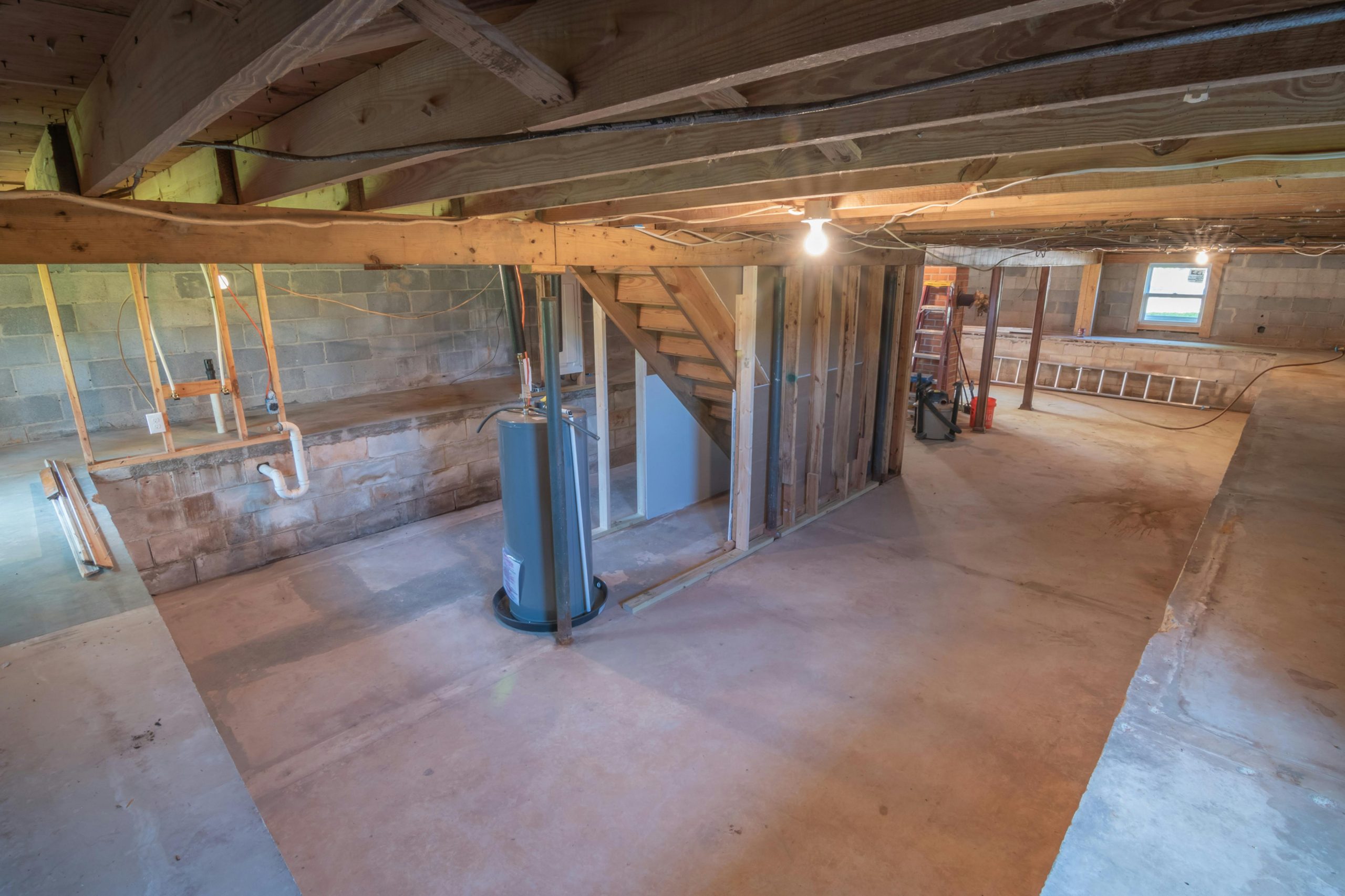
Once your basement is fully cleaned and dried, it’s important to shift your focus to long-term prevention. While the immediate cleanup is essential, taking proactive measures now can save you significant time, money, and stress in the future. Flooded basements often recur if underlying issues are not addressed, so investing in preventive strategies is critical for protecting your home, valuables, and overall peace of mind.
Prevention Tips:
- Seal foundation cracks
Water often enters basements through small cracks in walls or floors. Inspect your foundation for visible gaps or weaknesses, and use high-quality waterproof sealants or epoxy injections to close them. For larger cracks or structural concerns, consult a professional to ensure the repairs are effective. Regular inspections and maintenance of your foundation can prevent minor issues from turning into costly water damage.
- Install a sump pump
A functional sump pump is one of the most reliable defenses against basement flooding. It automatically removes excess water that collects near your foundation, especially during heavy rain or snowmelt. Make sure the pump is installed properly, has a battery backup in case of power outages, and is tested periodically. Regular maintenance, such as cleaning the pump and checking the float switch, ensures it remains in good working order when you need it most.
- Maintain gutters and downspouts
Clogged gutters and improperly directed downspouts can lead to water pooling around your foundation, increasing the risk of basement flooding. Keep gutters clear of leaves, debris, and ice, and ensure downspouts direct water at least 6 feet away from your home. Consider installing gutter extensions or splash blocks to further divert runoff and protect your foundation from water intrusion.
- Consider a backflow valve
Sewer backups during heavy rain can lead to serious flooding and contamination in your basement. Installing a backflow valve on your main sewer line prevents wastewater from flowing back into your home, offering an added layer of protection. Backflow valves are especially important in areas prone to heavy rainfall, rising water tables, or older sewer systems.
- Elevate belongings and appliances
Whenever possible, keep furniture, electronics, and other valuables off the basement floor. Use shelving, pallets, or elevated platforms to protect items from potential water damage. Additionally, appliances such as water heaters, washing machines, and freezers can be placed on raised platforms to reduce the risk of damage during minor floods.
- Improve exterior drainage
Grading the landscape around your home to slope away from the foundation helps prevent water from pooling near basement walls. Adding French drains, dry wells, or swales can further manage stormwater and reduce pressure on your foundation. Proper landscaping is a long-term investment in keeping your basement dry.
- Monitor water pressure and plumbing
Excessive water pressure or leaking pipes inside your home can contribute to basement flooding. Regularly inspect plumbing systems, and consider installing pressure-reducing valves or leak detection sensors. Early detection of plumbing issues can prevent interior water damage and help maintain a safe, dry basement environment.
By planning ahead and implementing these preventive measures, homeowners can dramatically reduce the risk of future flooding. Combining structural improvements, proper drainage, functional equipment, and careful placement of belongings ensures that your basement remains a safe, dry, and usable space for years to come. Prevention not only protects your home but also provides peace of mind, allowing you to enjoy your living space without the constant worry of water damage.
When to Call Professionals
Some basement floods may be too severe for DIY cleanup. Professional restoration services can handle extensive damage safely and efficiently.
Signs You Need Experts:
- Water levels are high or continue to rise.
- Structural damage is apparent, such as sagging floors or bowed walls.
- Mold growth is extensive or persistent.
- You need specialized equipment like industrial pumps or dryers.
Professional restoration companies bring experience, equipment, and safety knowledge to handle serious basement flooding. Their expertise ensures the job is done correctly and reduces the chance of recurring problems.
Conclusion
Flooded basement cleanup is a complex task that requires careful planning, safety precautions, and thorough execution. From removing standing water to disinfecting surfaces, drying the space, and preventing mold, each step is critical for restoring your home and protecting your belongings.
Taking action quickly, using the right tools, and calling professionals when needed ensures your basement can recover fully. Preventive measures such as sealing foundations, installing sump pumps, and maintaining proper drainage help reduce the risk of future flooding.
By following these steps, homeowners can manage flooded basements safely, efficiently, and with confidence, ultimately preserving the safety, value, and comfort of their home.