
Owning a home comes with a long list of responsibilities. Some tasks are simple and can be handled with basic tools, while others require the experience of a trained professional. Knowing the difference can save time, money, and frustration.
A well-maintained home is not just about appearances. It is about safety, efficiency, and long-term value. Small issues often start quietly but can turn into costly repairs if ignored. This is why a structured maintenance approach matters.
This guide walks through a complete home maintenance checklist, helping homeowners understand what to watch for and when to bring in expert help. It is designed to be practical, easy to follow, and realistic for busy households that want to stay ahead of costly surprises.
Why a Proactive Maintenance Plan Matters
Many homeowners take a reactive approach. They wait until something breaks before taking action. While this may seem practical, it often leads to higher repair costs and unexpected disruptions.
A proactive maintenance plan allows homeowners to catch problems early. It also helps extend the lifespan of major systems like roofing, plumbing, and HVAC. Even simple steps like routine inspections or cleaning can prevent issues from escalating.
Routine inspections, seasonal checklists, and timely repairs create a more comfortable and efficient living environment. It also reduces the risk of emergencies that can damage property and disrupt daily life.
Another benefit is financial predictability. When maintenance is planned, costs are easier to manage. Instead of facing a large unexpected expense, homeowners can spread out smaller repairs over time.
It also reduces stress. Knowing that systems are regularly checked and maintained gives homeowners more confidence in the safety and stability of their property.
Roof Care and Exterior Protection
The roof is one of the most important parts of any home. It protects everything underneath it from weather, debris, and temperature changes.
Homeowners should visually inspect the roof at least twice a year. Look for missing shingles, curling edges, or signs of water damage. After storms, it is especially important to check for loose materials or debris buildup.
Gutters should also be cleaned regularly to prevent water from backing up and damaging the roof or foundation. Downspouts should direct water away from the home to avoid pooling around the base.
When signs of wear appear, it is best to contact a local roofer. Professional inspections can identify hidden issues that are not visible from the ground. A trained expert can also recommend repairs before problems worsen.
In addition, exterior siding and trim should be checked for cracks or gaps. These small openings can allow moisture to enter and cause long-term damage. Sealing and repainting as needed helps protect the structure.
Homeowners should also watch for pests around rooflines and attic spaces. Small openings can become entry points for insects or rodents, which may lead to insulation damage.
Regular attic inspections can also reveal early signs of leaks or ventilation problems that are easy to miss from the outside.
Ignoring roofing issues can lead to leaks, mold growth, and structural damage. Acting early keeps repair costs manageable and protects the home.
Plumbing System Maintenance and Warning Signs
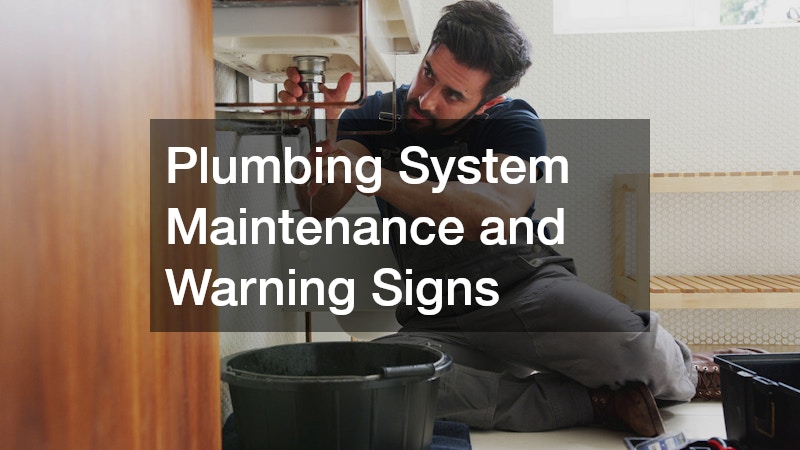
Plumbing problems can develop slowly or appear without warning. Either way, they should never be ignored.
Common signs of trouble include slow drains, low water pressure, and unusual noises in the pipes. Water stains on walls or ceilings may also indicate hidden leaks.
Regularly checking under sinks, around toilets, and near appliances can help identify problems early. It is also important to monitor water bills. A sudden increase may signal a leak somewhere in the system.
When these issues arise, calling a plumber is the safest option. Attempting complex repairs without proper knowledge can lead to further damage.
Homeowners can also take preventative steps, such as avoiding grease buildup in kitchen drains and using strainers to catch debris. Insulating pipes during colder months helps prevent freezing and bursting.
It is also helpful to know the location of the main water shutoff valve. In emergencies, quick access can minimize damage before help arrives.
Routine maintenance, such as flushing water heaters and checking pipe connections, helps prevent larger issues. A well-maintained plumbing system ensures reliable water flow and reduces the risk of costly emergencies.
Heating and Cooling System Essentials
Heating and cooling systems play a major role in indoor comfort. They also impact energy efficiency and utility costs.
Filters should be replaced regularly to maintain airflow and improve air quality. Outdoor units should be kept clear of debris, and vents should remain unobstructed.
If the system struggles to maintain temperature, makes unusual noises, or produces uneven airflow, it may be time for HVAC repair. These signs often indicate worn components or system inefficiencies.
Seasonal inspections are highly recommended. A professional technician can identify issues before they lead to system failure. Preventative service also helps extend the life of the unit.
Smart thermostats are another useful addition. They allow homeowners to control temperature settings more efficiently and can reduce energy usage over time.
Ignoring HVAC problems can result in higher energy bills and reduced comfort. Timely repairs keep systems running smoothly throughout the year.
Flooring Maintenance: Carpet and Hardwood Care
Flooring experiences daily wear and tear. Over time, this can lead to visible damage and reduced durability.
Carpets should be vacuumed regularly and professionally cleaned at least once a year. Stains, tears, or loose seams may require carpet repair to restore appearance and function.
Placing rugs in high-traffic areas can help reduce wear. Furniture pads can also prevent dents and damage from heavy items.
Hardwood floors need a different approach. Sweeping and occasional polishing help maintain their finish. However, scratches, warping, or discoloration may indicate the need for hardwood flooring repair.
Maintaining consistent indoor humidity levels is important for wood flooring. Excess moisture can cause expansion, while dry conditions may lead to cracks.
Moisture is one of the biggest threats to both carpet and wood flooring. Spills should be cleaned immediately, and humidity levels should be monitored.
It is also worth periodically rearranging furniture. This helps distribute wear more evenly and prevents permanent indentations in high-use areas.
Addressing flooring issues early helps preserve the look of the home and prevents more extensive damage.
Foundation and Structural Integrity

The foundation supports the entire structure of a home. Even minor issues can have serious consequences if left unaddressed.
Common warning signs include cracks in walls, uneven floors, and doors or windows that do not close properly. These symptoms may point to underlying structural concerns.
Foundation repairs should always be handled by experienced professionals. These issues often require specialized tools and knowledge to correct safely.
Drainage plays a major role in foundation health. Water should always flow away from the home, and landscaping should not trap moisture near the base.
Homeowners should also inspect crawl spaces or basements for dampness. Early detection of moisture issues can prevent long-term structural damage.
Regular inspections can help identify problems early. Keeping gutters clean and ensuring proper drainage around the home also reduces the risk of foundation damage.
Maintaining a strong foundation protects the entire structure and prevents long-term complications.
Garage Door Function and Safety
Garage doors are used frequently, yet they are often overlooked when it comes to maintenance.
Homeowners should test the door’s balance and ensure it opens and closes smoothly. Strange noises, slow movement, or uneven operation can signal a problem.
Lubricating moving parts and checking the alignment of tracks can improve performance. However, more complex issues should be handled by professionals who specialize in garage doors.
Safety sensors should also be tested regularly. These sensors prevent the door from closing if something is in the way, reducing the risk of injury.
Weather stripping around the door should be inspected and replaced if worn. This helps keep out moisture, pests, and outside air.
Homeowners should avoid attempting spring repairs themselves, as these components are under high tension and can be dangerous.
Faulty garage doors can pose safety risks, especially if springs or cables fail. Regular maintenance helps prevent accidents and ensures reliable operation.
Septic System Care and Maintenance
For homes with septic systems, proper care is essential. These systems manage wastewater and must function correctly to avoid health hazards.
Routine inspections and pumping are necessary to keep the system operating efficiently. Homeowners should avoid flushing non-biodegradable items and limit the use of harsh chemicals.
Slow drains, unpleasant odors, or pooling water near the drain field may indicate the need for septic tank repair. These issues should be addressed immediately to prevent contamination.
It is also important to keep heavy vehicles or equipment off the drain field to avoid compacting the soil and damaging the system.
Water usage habits also play a role. Spacing out laundry loads and fixing leaks can prevent overloading the system.
Professional service ensures the system remains compliant with local regulations and operates safely.
Backup Power and Emergency Preparedness
Power outages can occur unexpectedly, especially during storms or extreme weather conditions.
Installing home generators provides a reliable backup power source. These systems keep essential appliances running and maintain comfort during outages.
Regular maintenance is important to ensure generators function when needed. Fuel levels, battery condition, and system connections should be checked periodically.
Homeowners should also test the system under controlled conditions to ensure proper operation before an emergency occurs.
It is also helpful to have an emergency plan in place. This includes keeping flashlights, batteries, and essential supplies easily accessible.
Having a backup power solution adds an extra layer of security and convenience for homeowners.
Seasonal Maintenance Checklist
A seasonal approach makes home maintenance more manageable. Each season brings unique challenges and priorities.
In spring, focus on inspecting the roof, cleaning gutters, and checking for winter damage. Summer is ideal for servicing cooling systems and inspecting outdoor areas.
Fall is the time to prepare for colder weather. This includes scheduling heating repair if the system shows signs of inefficiency. Sealing drafts around windows and doors can also improve energy efficiency.
Winter maintenance focuses on preventing frozen pipes and ensuring indoor comfort. Keeping walkways clear and monitoring indoor humidity levels can also help prevent damage.
It is also a good time to inspect insulation in attics and crawl spaces. Proper insulation improves energy efficiency and reduces heating costs.
Following a seasonal routine helps homeowners stay organized and reduces the likelihood of missed issues.
When to Call a Professional
While some maintenance tasks can be handled independently, others require professional expertise.
Electrical work, structural repairs, and complex system issues should always be left to trained technicians. Attempting these repairs without proper knowledge can be dangerous.
Professionals bring experience, tools, and industry knowledge that ensure the job is done correctly. They can also identify potential problems that may not be obvious.
Building relationships with trusted service providers can also make future maintenance easier. Reliable professionals can offer guidance and respond quickly when issues arise.
Knowing when to call for help is a key part of responsible homeownership.
Long-Term Benefits of Regular Maintenance

Consistent maintenance offers several long-term benefits. It improves energy efficiency, reduces repair costs, and increases property value.
A well-maintained home is more comfortable and appealing. It also provides peace of mind, knowing that major systems are functioning properly.
Preventative care helps avoid emergencies and extends the lifespan of important components. Over time, this leads to significant savings and fewer disruptions.
Homes that are properly maintained are also more attractive to potential buyers. Detailed maintenance records can even increase resale value.
Building a Smarter Maintenance Routine
Home maintenance does not have to be overwhelming. With a clear plan and regular attention, it becomes a manageable part of homeownership.
By understanding what to look for and when to seek professional help, homeowners can protect their investment and avoid unnecessary stress.
From roofing and plumbing to flooring and backup power, every part of the home plays a role in overall performance. Staying proactive ensures that each system continues to function as it should.
A thoughtful approach today can prevent major problems tomorrow, creating a safer and more reliable living environment for years to come.