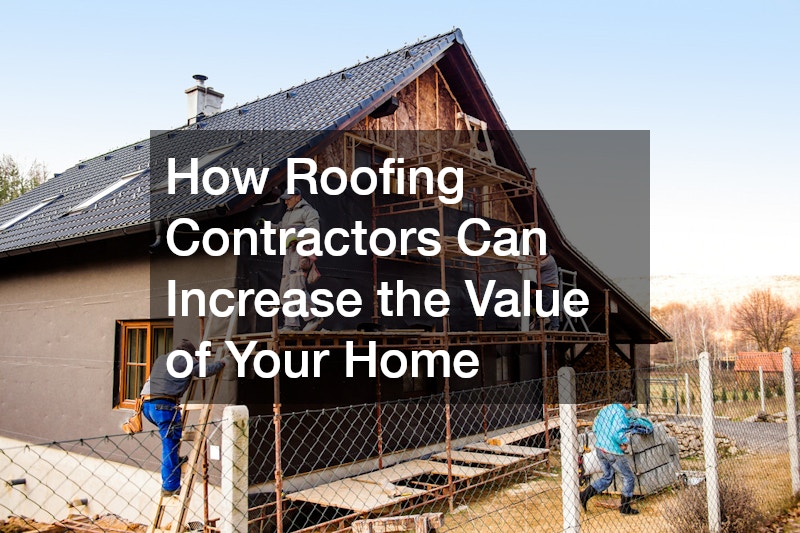
Home improvement is no longer just about aesthetics or short-term comfort. Today’s homeowners are increasingly focused on upgrades that protect their property, reduce long-term costs, and preserve resale value. Strategic improvements go beyond surface-level updates and address the systems and structures that quietly determine how well a home performs over time.
Smart investments improve safety, efficiency, and durability while reducing the likelihood of emergency repairs. When improvements are made proactively—rather than reactively—homeowners gain better control over budgets, timelines, and outcomes. This guide explores practical upgrades that strengthen your home inside and out, helping it remain valuable, functional, and resilient for years to come.
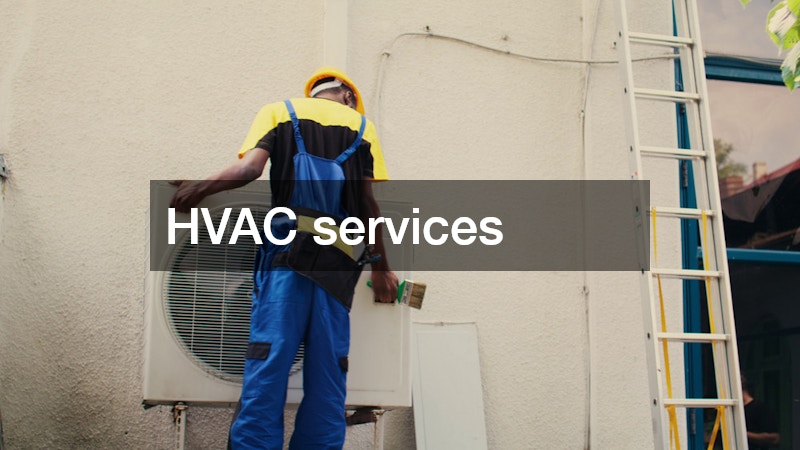
Improve Indoor Comfort and Energy Performance Before Problems Arise
Strengthen Plumbing Systems to Prevent Expensive Interior Damage
Upgrade Essential Water Infrastructure for Efficiency and Reliability
Water infrastructure plays a critical role in how smoothly a household functions each day. From bathing and cooking to cleaning and sanitation, these systems support nearly every routine activity. When components are outdated or poorly maintained, the impact extends beyond inconvenience and can quickly become costly. Strategic upgrades focus on efficiency, reliability, and long-term performance, helping homeowners avoid sudden failures while strengthening overall property value.
One of the most commonly overlooked components is the hot water system. Aging water heaters often continue operating despite declining efficiency, masking problems until performance drops significantly. Homeowners may notice water that takes longer to heat, fluctuates in temperature, or runs out faster than expected. Unusual noises, rust-colored water, or corrosion around connections are also signs that the system is under strain. Replacing equipment before complete failure allows homeowners to select energy-efficient options that better align with household size, usage patterns, and long-term cost savings.
Upgrading early provides several advantages, including:
-
More consistent hot water availability
-
Lower energy consumption and utility costs
-
Reduced risk of leaks or tank failure
-
Improved compatibility with modern plumbing fixtures
Equally important is the condition of wastewater management systems. Septic systems, in particular, tend to deteriorate quietly over time. Small issues such as slow drainage, minor backups, or persistent odors may indicate deeper problems below the surface. Without attention, these issues can escalate into contamination, property damage, or expensive system replacement.
Proactive septic repairs help prevent these outcomes by addressing wear, capacity limitations, or drainage problems before they become severe. Regular inspections and timely maintenance protect not only the home but also surrounding land and groundwater. Early intervention also reduces the likelihood of emergency repairs that disrupt daily life and strain household budgets.
Smart water infrastructure improvements focus on prevention and documentation. Homeowners benefit from:
-
Replacing outdated systems with efficient, modern alternatives
-
Scheduling inspections before symptoms become severe or visible
-
Addressing drainage, flow, or capacity issues early
-
Keeping detailed records of upgrades, inspections, and maintenance
These measures reduce the risk of unexpected failures while demonstrating responsible ownership. Well-maintained water infrastructure reassures future buyers and inspectors that essential systems have been properly managed, supporting both comfort and long-term property value.
Reduce Exterior Risk by Managing Trees and Landscape Threats

Trees add beauty and shade, but unmanaged growth can pose serious risks to a home. Overhanging branches, unstable roots, and diseased trees threaten roofs, foundations, and underground utilities.
Tree removal is sometimes necessary when trees are structurally compromised or positioned too close to the home. Removing a hazardous tree proactively is far less costly than repairing storm damage after failure occurs.
Professional tree services help homeowners assess risk and maintain safe landscapes by:
-
Identifying weakened or diseased trees
-
Trimming branches away from roofs and power lines
-
Managing root systems near foundations and plumbing
-
Improving drainage and soil stability
Benefits of proper tree management include:
-
Reduced storm damage risk
-
Improved safety for occupants and visitors
-
Lower insurance liability
-
Enhanced curb appeal
Thoughtful landscape management balances aesthetics with safety, protecting both the home and surrounding property.
Reinforce Driveways and Access Areas for Safety and Curb Appeal

Driveways and access points are often overlooked during home improvement planning, yet they play a major role in safety, drainage, and first impressions. Cracked or uneven surfaces can create hazards while allowing water to pool near foundations.
Professional asphalt paving services help restore and reinforce these surfaces, extending their lifespan and improving overall property appearance. Addressing deterioration early prevents more extensive repairs later.
Key reasons to invest in driveway improvements include:
-
Eliminating tripping hazards and surface damage
-
Improving water runoff and drainage
-
Enhancing visual appeal from the street
-
Increasing durability under regular vehicle use
Well-maintained access areas contribute to a home’s perceived value and signal that the property has been cared for comprehensively—not just cosmetically.
Define and Protect Property Boundaries with Quality Installations

Clear, secure property boundaries add both function and value to a home. Fencing improves privacy, safety, and usability while contributing to overall curb appeal. However, aging or poorly installed fences can detract from a property’s appearance and usefulness.
Working with reputable local fence contractors ensures installations meet local regulations, property lines, and durability standards. Quality materials and proper installation reduce maintenance needs and increase lifespan.
Fencing improvements can:
-
Create secure areas for children or pets
-
Define outdoor living spaces
-
Improve privacy from neighboring properties
-
Enhance visual cohesion with landscaping
Whether repairing an existing structure or installing a new one, thoughtful fencing upgrades add practical value while enhancing outdoor enjoyment.
Coordinate Improvements for Maximum Long-Term Value
One of the most overlooked aspects of home improvement is coordination. Tackling projects in isolation can lead to redundant work, higher costs, and unnecessary disruption. Coordinating improvements strategically maximizes value and efficiency.
Examples of smart coordination include:
-
Scheduling interior system upgrades before finishing work
-
Addressing drainage and landscaping alongside exterior improvements
-
Planning access area repairs alongside fencing or exterior updates
-
Bundling inspections to identify overlapping issues
Benefits of coordinated planning:
-
Reduced labor and material costs
-
Fewer scheduling conflicts
-
Improved project timelines
-
Better long-term performance
A comprehensive approach ensures that each improvement complements the next rather than working against it.
Budgeting Smartly for Improvements That Actually Pay Off
Not all upgrades deliver equal value. Strategic budgeting focuses on improvements that protect the home’s structure and systems rather than purely cosmetic changes. Understanding return on investment helps homeowners prioritize effectively.
Smart budgeting strategies include:
-
Addressing critical systems before cosmetic upgrades
-
Planning phased improvements over time
-
Comparing repair vs. replacement costs
-
Setting aside funds for preventive maintenance
High-impact improvements often:
-
Reduce long-term maintenance costs
-
Improve energy efficiency
-
Enhance inspection results
-
Increase buyer confidence
By investing thoughtfully, homeowners protect both their financial and physical assets.
Choosing Qualified Professionals to Protect Your Investment
The quality of workmanship plays a significant role in how long improvements last. Hiring qualified professionals reduces the risk of errors, code violations, and premature failures that can erode value.
When selecting professionals, homeowners should:
-
Verify licensing and insurance
-
Request references and examples of prior work
-
Ensure clear contracts and warranties
-
Confirm permit and inspection requirements
Professional expertise ensures improvements are completed correctly the first time, protecting the home’s integrity and the homeowner’s investment.
Smart home improvements focus on protection, efficiency, and longevity rather than short-term trends. By addressing core systems, exterior risks, and structural elements proactively, homeowners create properties that perform better, cost less to maintain, and retain their value over time.
A strategic approach—guided by planning, coordination, and professional expertise—turns home improvement into a long-term investment rather than a recurring expense. The result is a home that supports comfort today while standing strong for the future.