
Rising energy bills push many homeowners to look beyond short-term fixes and toward remodeling upgrades that deliver long-term savings. Strategic improvements can reduce wasted energy, improve comfort, and increase home value at the same time. The key is knowing which upgrades offer real performance gains instead of cosmetic changes that look good but do little for efficiency.
The upgrades below focus on practical remodeling decisions that lower heating, cooling, and electrical demand month after month. Each section explains why the upgrade works, how to implement it correctly, and what homeowners should watch for during planning and installation.
1. Upgrade Insulation And Air Sealing In Hidden Structural Areas
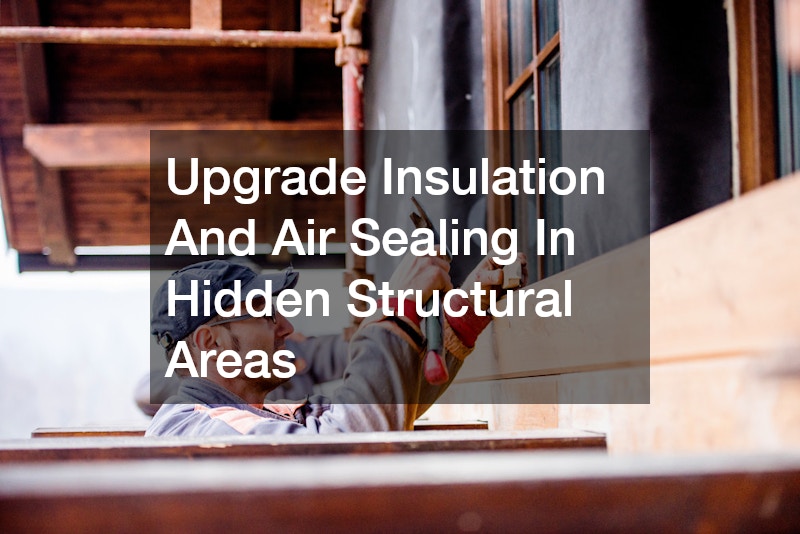
One of the most effective ways to lower energy costs is improving insulation and sealing air leaks in areas most homeowners never see. Attics, crawl spaces, basements, and utility chases often allow heated or cooled air to escape continuously, forcing HVAC systems to work harder than necessary.
Air sealing should happen before adding insulation. Gaps around plumbing penetrations, duct chases, and framing joints can be sealed with expanding foam or caulk. Once sealed, insulation can perform at its rated efficiency instead of allowing conditioned air to leak outdoors. This combination reduces temperature fluctuations and lowers heating and cooling demand throughout the year.
During remodeling projects involving foundations or underground utilities, coordinating with a sewer cleaning service can prevent future access issues. Clearing and inspecting sewer lines while walls or floors are exposed reduces the chance of later disruptions that compromise insulation and air barriers. Planning utility access carefully helps preserve energy improvements long term.
2. Replace Outdated HVAC Systems With High Efficiency Equipment
Older heating and cooling systems consume significantly more energy than modern high-efficiency models. Even systems that still function properly may be costing hundreds of dollars more per year due to outdated technology and declining performance.
High-efficiency heat pumps, furnaces, and air conditioners use variable-speed motors and advanced controls to adjust output based on actual demand. This reduces energy waste during mild weather and improves indoor comfort. Proper sizing matters just as much as equipment choice. Oversized systems cycle too frequently, while undersized systems struggle to maintain temperatures.
Working with experienced HVAC companies helps homeowners select systems matched to their home’s layout, insulation levels, and climate. During major remodels, updating ductwork layouts can further reduce energy loss and improve airflow balance. Thoughtful HVAC upgrades deliver some of the fastest and most noticeable reductions in monthly energy bills.
3. Install Energy Efficient Windows And Improve Natural Light Control
Windows play a major role in energy performance, especially in homes with large glass areas or older single-pane units. Poorly insulated windows allow heat transfer that increases both heating and cooling costs.
Modern energy-efficient windows use double or triple glazing, low-emissivity coatings, and insulated frames to reduce heat movement. Placement and shading matter as well. South-facing windows can provide passive solar heat during winter, while proper overhangs and treatments limit overheating during summer.
Controlling natural light reduces reliance on artificial lighting during the day. Lighter interior finishes and strategic window placement amplify daylight while minimizing glare. As part of exterior renovations, coordinating with concrete services for window well improvements or structural modifications can improve drainage and insulation around window openings, supporting long-term efficiency gains.
4. Upgrade Water Heating Systems And Reduce Heat Loss
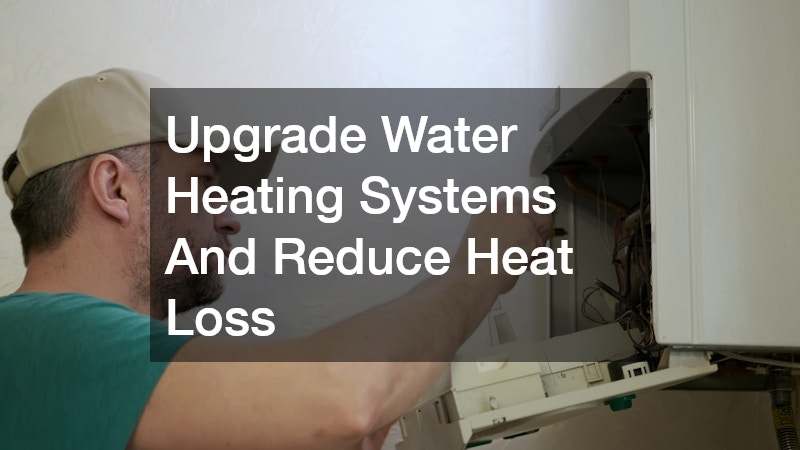
Water heating accounts for a significant portion of household energy use, especially in larger families. Traditional tank water heaters continuously maintain temperature, wasting energy even when hot water is not being used.
Tankless and high-efficiency heat pump water heaters reduce energy waste by heating water on demand or using ambient heat. Insulating hot water pipes further reduces heat loss, delivering hot water faster and reducing standby energy use.
Regular maintenance matters as much as equipment selection. Scheduling inspections and flushing sediment buildup improves efficiency and extends system life. Coordinating maintenance with a well service can help homeowners relying on private wells optimize pump efficiency and water pressure, reducing electrical demand while supporting consistent hot water delivery.
5. Improve Roof Design And Attic Ventilation For Temperature Control
The roof and attic area experience the greatest temperature extremes in a home. Without proper ventilation and insulation, heat buildup during summer and heat loss during winter drive up energy use.
Upgrading roofing materials with reflective or cool-roof technologies reduces heat absorption. Proper attic ventilation allows hot air to escape, lowering attic temperatures and reducing cooling loads. Ridge vents, soffit vents, and gable vents work together to promote continuous airflow.
During roofing or exterior remodeling, clearing debris and maintaining access supports ventilation effectiveness. Coordinating periodic maintenance with a tree removal professional reduces shading issues and prevents leaves or branches from blocking vents. Balanced roof and attic upgrades protect both comfort and energy performance.
6. Modernize Lighting And Electrical Layouts For Lower Power Demand
Lighting upgrades offer immediate energy savings and improve usability. Replacing incandescent or older fluorescent fixtures with LED lighting dramatically reduces electricity consumption and heat output.
Thoughtful lighting design uses fewer fixtures while providing better coverage. Task lighting, dimmers, and occupancy sensors prevent unnecessary energy use. Smart lighting systems allow homeowners to schedule usage and adjust brightness based on natural light levels.
During interior remodeling, addressing electrical layout changes often pairs well with a professional cleaning service afterward to remove construction dust that can affect lighting performance. Clean fixtures and reflective surfaces maximize light output, allowing homeowners to use lower wattage bulbs without sacrificing visibility.

7. Seal Fireplaces And Improve Chimney Efficiency
Fireplaces can be a major source of energy loss, even when they aren’t being used. Traditional open chimneys act like a giant exhaust vent, allowing warm air to escape during winter months and drawing cooled air out during the summer. This constant exchange forces heating and cooling systems to work harder, increasing energy consumption and driving up monthly utility costs. Many homeowners overlook the hidden energy drain of a fireplace, assuming it only affects the home when a fire is burning.
Installing chimney dampers, glass doors, or converting to sealed gas or electric inserts can dramatically improve energy efficiency. Dampers close off the chimney when it’s not in use, preventing unwanted airflow, while glass doors provide an additional barrier against heat loss. Gas or electric inserts offer the ambiance of a fireplace without the same level of energy waste. Adding a properly sized chimney liner not only enhances airflow control but also improves safety by protecting the chimney structure from heat and corrosion.
Regular inspections and maintenance are essential to maintaining these efficiency gains. A professional chimney cleaning service ensures that soot, creosote, and debris do not block airflow or compromise damper function, which could otherwise reduce the effectiveness of the sealing measures. Consistent upkeep helps the fireplace operate safely and efficiently, adding comfort and warmth without undermining the home’s overall energy performance. By addressing both the hardware and ongoing maintenance, homeowners can enjoy the aesthetic benefits of a fireplace while minimizing unnecessary energy loss.
8. Upgrade Driveways And Hardscaping To Reduce Heat Transfer
Exterior hardscaping influences indoor temperatures more than many homeowners realize, often playing a larger role in energy use than windows or walls alone. Dark, heat-absorbing surfaces such as asphalt driveways, concrete patios, and stone pathways can radiate significant heat toward the home, increasing ambient temperatures and forcing air conditioning systems to work harder. Even small changes in surface color or material can lead to noticeable reductions in cooling demand, improving comfort and reducing monthly energy bills.
Using lighter-colored or reflective paving materials helps minimize heat absorption and reduces the amount of heat radiating toward the foundation and walls. Permeable pavers and lighter concrete finishes also help with water management, reducing moisture buildup that can compromise insulation or contribute to foundation-related energy loss. Additionally, proper grading and drainage ensure water flows away from the home, preventing damage to insulation and maintaining the thermal integrity of the foundation.
When planning exterior upgrades, coordinating driveway paving with foundation insulation improvements creates a holistic approach to energy efficiency. By addressing heat transfer from both the foundation and surrounding hardscape, homeowners can stabilize indoor temperatures more effectively. Combining reflective paving with other remodeling improvements, such as improved insulation or energy-efficient windows, further lowers cooling requirements during peak summer months and provides long-term savings, making exterior design an often-overlooked yet highly impactful aspect of home energy management.
9. Install Backup Power Solutions That Operate Efficiently
Power outages often lead homeowners to rely on inefficient temporary solutions that waste fuel and drive up energy costs. Extension cords, oversized portable generators, and poorly planned backup systems can consume far more energy than necessary while still failing to provide consistent comfort. Installing a properly sized, energy-efficient backup power system offers reliable protection during outages without excessive fuel use or strain on home systems. When designed correctly, backup power becomes an extension of the home’s overall energy strategy rather than a last-minute workaround.
Modern standby generators operate far more efficiently than older portable units by automatically adjusting output based on real-time demand. These systems integrate directly with the home’s electrical panel, allowing homeowners to prioritize essential circuits such as heating, cooling, refrigeration, and lighting. Smart load management prevents unnecessary power draw by cycling nonessential systems off during peak demand, which reduces fuel consumption while keeping critical functions running smoothly. This approach improves efficiency and extends the lifespan of the generator itself.
Working with a qualified generator company allows homeowners to design backup power systems that support energy efficiency goals rather than undermine them. Proper sizing, placement, and system integration prevent overuse and ensure compatibility with modern HVAC equipment and energy-efficient appliances. When paired with high-performance home systems, backup power solutions maintain comfort and functionality during outages without driving up long-term energy costs or compromising overall efficiency.
10. Landscape Strategically To Shade And Protect The Home Envelope
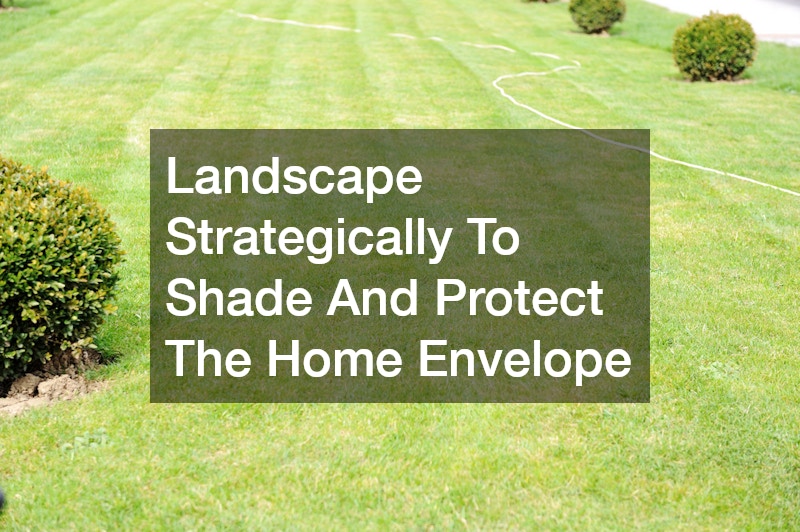
Landscaping choices directly affect heating and cooling efficiency by shaping how much sun, wind, and heat reach a home throughout the year. Trees, shrubs, and ground cover can block cold winter winds, create cooling shade during hot months, and reduce heat gain when placed with intention. Well-planned landscaping works alongside insulation and exterior materials to regulate temperatures naturally, lowering the workload placed on heating and cooling systems and reducing monthly energy costs.
Deciduous trees planted on the south and west sides of a home provide valuable summer shade, helping to keep indoor spaces cooler during peak heat. When these trees lose their leaves in winter, they allow sunlight to reach the home, contributing to passive warming. Evergreens positioned on the north or northwest sides act as windbreaks, reducing heat loss caused by cold air infiltration. Shrubs and ground cover also play a role by shading soil near foundations, helping stabilize ground temperatures and prevent heat transfer into the home. Proper spacing is essential to prevent moisture buildup that could damage siding, roofing, or insulation over time.
Professional tree cutting helps maintain healthy growth patterns that maximize shade coverage without threatening roofs, gutters, or exterior walls. Regular trimming preserves airflow, reduces storm damage risks, and keeps sunlight exposure balanced throughout the seasons. Strategic landscaping ultimately acts as a natural insulation layer, lowering energy demand while improving curb appeal and creating a more comfortable outdoor environment.
Reducing monthly energy costs requires more than swapping light bulbs or adjusting thermostats. Meaningful savings come from remodeling upgrades that improve how a home manages heat, airflow, and power use as a complete system. When insulation, equipment, exterior design, and ongoing maintenance work together, homeowners experience more consistent indoor temperatures, reduced strain on mechanical systems, and lower utility bills throughout the year. These improvements also minimize drafts, humidity issues, and uneven heating or cooling that often lead to higher energy use and reduced comfort.
A whole-home approach allows each upgrade to reinforce the next. For example, improving insulation makes heating and cooling systems more effective, while efficient windows and proper ventilation reduce the workload on those systems even further. Exterior improvements, such as roofing and landscaping adjustments, help regulate temperature before heat ever enters the home. Routine maintenance then preserves these gains by keeping systems operating at peak performance rather than slowly losing efficiency over time.
By approaching remodeling with energy performance in mind, homeowners can invest confidently in upgrades that deliver both immediate savings and long-term value. Lower energy bills are only part of the benefit. Energy-smart remodeling also improves durability, indoor comfort, and resale appeal, making the home more resilient and cost-effective to own. Thoughtful planning today creates a more efficient living environment that continues to pay off well into the future.