
Building a pool is not a single project but a sequence of interconnected phases that require careful coordination, technical knowledge, and realistic expectations. Homeowners who understand how each step fits into the larger process are far more likely to stay on schedule, control costs, and avoid long-term performance issues.
This guide walks through the entire construction lifecycle, explaining what happens at each stage, why it matters, and what homeowners should actively monitor. By understanding the process from the ground up, you can make informed decisions, communicate more effectively with professionals, and protect your investment for years to come.
Preparing the Site and Protecting Underground Systems
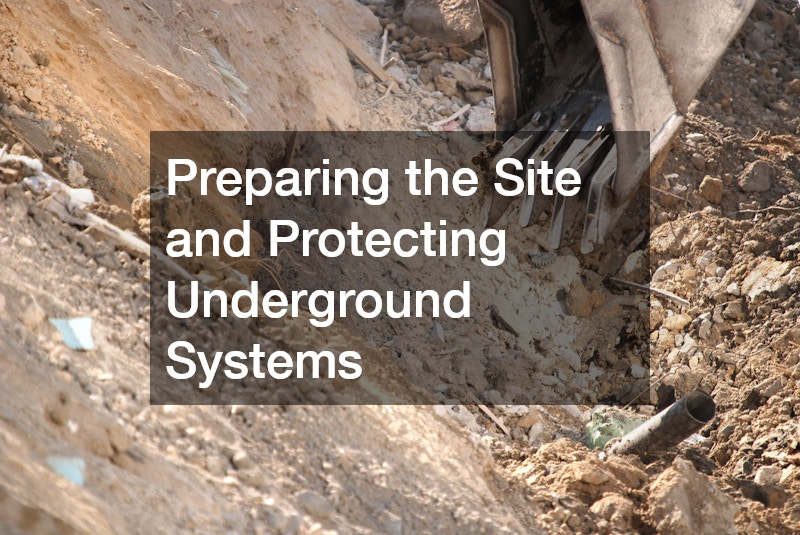
Early groundwork sets the tone for the entire project because conditions below the surface determine how well everything above it performs. Mistakes made at this stage often remain hidden until they cause visible damage, at which point corrections are far more invasive and costly. Uneven settling, poor drainage, or damaged utilities can compromise timelines and structural integrity long after construction appears complete.
A professional excavation service does far more than dig a hole to match a set of dimensions. Site preparation begins with a detailed assessment of soil composition, compaction levels, and moisture content. Clay-heavy soils, sandy substrates, or previously disturbed ground each behaves differently under load and water pressure. Understanding these characteristics helps determine whether additional stabilization, drainage planning, or soil replacement is necessary. Proper planning for soil removal and redistribution also affects access for later phases and prevents erosion or collapse during construction.
Before any digging begins, homeowners should ensure the following steps are completed:
- Utility lines are clearly marked and verified, including gas, water, electrical, and communication lines
- Property boundaries and easements are confirmed to avoid encroachment or legal disputes
- Soil conditions are evaluated for stability and drainage to reduce the risk of shifting or pooling water
- Access routes for heavy equipment are planned to prevent damage to driveways, fencing, or nearby structures
Skipping or rushing these steps increases the likelihood of rework once construction is underway. Even minor errors in layout or grading can force pauses while corrections are made, disrupting carefully sequenced trades and inspections.
One of the most overlooked risks during this phase is damage to aging sewer infrastructure. Older properties often have lines made from materials that are more susceptible to cracking or collapse when the surrounding soil is disturbed. Heavy equipment vibrations and changes in soil pressure can expose existing weaknesses. If failures occur, sewer repairs can quickly become a critical path issue, halting progress until the problem is resolved and inspected.
To reduce risk during site preparation:
- Request pre-construction camera inspections of existing lines to identify weak points.
- Avoid stockpiling soil directly above known underground systems where added weight increases stress.
- Confirm repair contingencies are addressed in advance contracts so responsibilities are clearly defined.
Addressing underground vulnerabilities early allows problems to be resolved while access is still open and equipment is already on site. This proactive approach minimizes downtime, reduces repair costs, and prevents emergency interventions later, when finished surfaces and structures make access far more difficult.
Building the Pool Structure for Long-Term Durability

Once the site is prepared, the focus shifts to creating a structure that will remain stable under constant water pressure, temperature changes, and soil movement. This phase forms the physical foundation of the pool and determines how well it withstands daily use and seasonal stresses. Errors at this stage are difficult to correct later and often affect both safety and longevity.
A qualified swimming pool contractor is responsible for translating design plans into a structurally sound shell through careful execution and oversight. This work requires strict adherence to engineering specifications, local building codes, and inspection requirements. Even small deviations in measurements or reinforcement placement can compromise strength or lead to uneven stress distribution over time.
The structural phase typically includes:
- Forming the pool shape and elevations to ensure accurate depths, transitions, and waterlines
- Installing steel reinforcement to resist cracking and distribute loads evenly
- Verifying dimensions, slopes, and depths to support proper circulation and drainage
- Scheduling inspections before material placement to confirm compliance and catch issues early
Concrete quality and placement are critical at this stage because the shell must act as a single, cohesive structure. Poor mix ratios can weaken strength, while rushed pours may create cold joints that allow moisture intrusion. Inadequate curing increases the risk of shrinkage cracks and surface delamination, shortening the lifespan of the pool.
Key durability considerations include:
- Reinforcement spacing and coverage to protect steel from corrosion and ensure load transfer
- Proper compaction and moisture control to eliminate voids and maintain uniform density
- Weather conditions during installation, such as extreme heat or cold, can affect curing behavior
- Allowing sufficient curing time before loading or finishing to achieve full structural strength
A well-built structure may not be visible once finishes are applied, but it determines how well the pool resists leaks, shifting, and long-term wear, making this phase one of the most critical investments in the entire construction process.
Installing Plumbing and Coordinating Water Systems
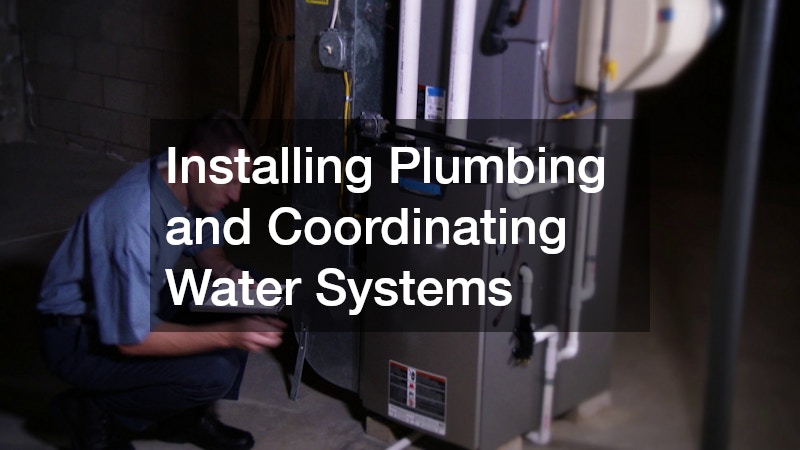
After the shell is in place, internal systems must be installed before surfaces are closed and backfilled, because access is still open and adjustments can be made without demolition. This phase demands careful sequencing and clear communication, as multiple systems are being routed through limited space. Small errors in alignment or spacing can restrict flow, reduce efficiency, or complicate future maintenance once the pool is operational.
A licensed plumber designs and installs circulation, filtration, and drainage lines that keep water moving efficiently throughout the system. These components determine how well debris is removed, how evenly chemicals are distributed, and how hard pumps and filters must work to maintain water quality. Decisions made during installation directly affect energy consumption, equipment lifespan, and ease of troubleshooting years later.
Critical plumbing considerations include:
- Pipe sizing to support proper flow rates without overworking pumps or creating excessive pressure
- Strategic placement of drains and returns to promote balanced circulation and eliminate stagnant areas
- Valves are positioned for easy access and isolation, allowing individual components to be serviced without shutting down the entire system
- Routing that minimizes friction and pressure loss by reducing unnecessary bends and long runs
Careful planning during this stage also ensures that equipment can be accessed and replaced without removing finished surfaces. Clear labeling and logical grouping of valves simplify seasonal adjustments and future repairs.
At the same time, coordination with a lawn irrigation company is essential to prevent system conflicts. Pool plumbing and irrigation often share trenches, water sources, or proximity to the same landscaped areas. Without coordination, lines may cross improperly, valves may be buried, or water demand may exceed supply capacity during peak usage.
To prevent issues between pool plumbing and irrigation systems:
- Share layout plans between all trades so routing conflicts are identified early
- Stagger installation schedules to avoid rework or accidental damage
- Pressure test all lines before covering to confirm there are no leaks or weak joints
- Protect exposed piping during backfill to prevent shifting, crushing, or separation
Testing systems thoroughly before surfaces are finished is one of the most effective ways to avoid costly repairs later. Verifying performance while everything is visible allows adjustments to be made quickly and confidently, reducing the risk of hidden failures that only appear after landscaping and hardscape are complete.
Finishing Surfaces and Integrating the Landscape

Once systems are installed and verified, attention turns to the surrounding environment, where visual appeal and functional performance must align. This phase shapes how the pool fits into the overall yard and determines whether water, foot traffic, and environmental stressors are managed effectively. Decisions made here influence long-term maintenance needs as much as they affect day-to-day usability.
A professional landscaping company helps manage grading, drainage, and planting so that surface water moves away from the pool structure instead of collecting near it. Proper grading reduces the risk of standing water that can undermine decks, stain finishes, or introduce contaminants into the pool. Plant selection also matters; root systems, soil requirements, and debris output all affect maintenance and structural stability.
Simultaneously, a pavement company installs hardscape elements such as decks, walkways, and coping that frame the pool and define traffic flow. These surfaces must be engineered to handle moisture exposure, temperature changes, and regular use while remaining comfortable and safe. Material choice, thickness, and installation technique all contribute to durability and appearance over time.
Important finishing considerations include:
- Slip-resistant surface textures to reduce fall risk in wet conditions
- Proper slope for drainage that directs water away without creating trip hazards
- Expansion joints to accommodate movement caused by temperature shifts and settling
- Heat retention and glare reduction to improve comfort during peak sun exposure
Sequencing is especially important during this phase because multiple trades may still require access to the site. Installing plants too early can result in crushed root systems or soil displacement, while finishing hardscape too late can force crews to disturb completed grading or irrigation.
Homeowners should confirm:
- Final elevations are set before planting to avoid drainage corrections later
- Heavy equipment access is restricted after finishing to prevent cracking or staining
- Surfaces are protected during final installations to maintain appearance and integrity
Well-coordinated finishing work enhances both appearance and long-term performance by ensuring all elements work together rather than competing for space or function.
Starting Up the Pool and Establishing Ongoing Care
The final phase begins once construction is complete and water is introduced, but this stage requires as much attention as the build itself. Startup is not simply filling the pool and turning on equipment; it is a carefully managed process designed to protect new surfaces, stabilize mechanical systems, and establish healthy water conditions from day one. Rushing this phase can shorten the life of finishes and place unnecessary strain on pumps, filters, and heaters.
Initial water treatment requires close monitoring, especially during the first several weeks when plaster, tile, and other surfaces are still curing. Using a pH balancer for pools helps maintain proper chemical levels while minerals are released and water chemistry naturally fluctuates. During this period, adjustments may be needed more frequently than during normal operation to prevent staining, scaling, or etching.
During startup, homeowners should focus on:
- Daily water testing and adjustments to keep chemistry within recommended ranges
- Monitoring filtration and circulation performance to confirm consistent flow and pressure
- Identifying early signs of imbalance or equipment stress, such as cloudy water, unusual noises, or pressure changes
Paying attention to these indicators allows issues to be corrected before they damage finishes or reduce system efficiency. It also helps homeowners become familiar with how their pool behaves under normal conditions.
Many homeowners choose to transition into a pool service plan during this period to ensure the system is stabilized correctly. Professional oversight can be especially valuable during the first month, when chemistry shifts rapidly, and equipment settings may require fine-tuning. Regular service visits provide reassurance that everything is functioning as intended and that startup procedures are being followed correctly.
Long-term care decisions should consider:
- Time commitment for testing and cleaning, and whether it fits daily routines
- Seasonal adjustments and weather impacts that affect water balance and debris levels
- Equipment warranties and service requirements that may depend on documented maintenance
- Cost comparisons between DIY and professional maintenance over time
Establishing good habits early reduces wear, improves water quality, and extends the lifespan of both finishes and mechanical systems, creating a more reliable and enjoyable pool experience.
A successful pool project depends on more than good design or quality materials because even well-chosen components can fail if the process is poorly managed. Each phase builds on the previous one, and missteps early on often ripple forward in ways that are difficult and expensive to correct. Understanding how excavation affects structure, how structure affects systems, and how systems influence long-term care allows homeowners to anticipate challenges instead of reacting to them.
Timing, coordination, and preparation matter because multiple trades, inspections, and environmental factors must align. When work is rushed or performed out of sequence, compromises are often made to stay on schedule, increasing the risk of future repairs. Clear communication between professionals, realistic timelines, and a willingness to pause and verify details help maintain quality and accountability throughout the project.
By approaching construction as a complete process — from site preparation through long-term care — homeowners gain a broader perspective that supports better decision-making. This mindset encourages asking informed questions, reviewing plans critically, and recognizing when shortcuts could undermine durability or performance. It also helps homeowners plan for maintenance and operational responsibilities long before the pool is finished.
Knowledge is one of the most valuable tools you bring to any construction project because it empowers you to participate actively rather than passively. When homeowners understand why certain steps are necessary and how each phase contributes to the outcome, they are better equipped to protect their investment. Using that knowledge consistently helps ensure the pool delivers lasting value, reliable performance, and long-term enjoyment.